How to Manage Mixed-Experience Dive Groups Without the Headache
Managing mixed-experience dive groups doesn't have to be chaos. With clear standard operating procedures, smart scheduling models like Anchor and Explorer, and automated management systems, you can turn complex bookings into profitable revenue streams. The key is building reliable systems that handle logistics so your staff can focus on creating safe, memorable experiences for everyone from nervous first-time snorkelers to experienced technical divers.
<b>Key Takeaways:</b>
- Standard operating procedures create consistent safety briefings for all experience levels
- The Anchor and Explorer model lets snorkelers and divers safely share dive sites
- Cloud-based management systems eliminate check-in bottlenecks and scheduling conflicts
- Transparent communication about site suitability builds guest trust and reduces cancellations
- Family packages targeting multiple certification levels increase average booking values
It's 7:45 AM. Your boat leaves in exactly 15 minutes. The dock is complete chaos. A family of four stands by the gangway: two snorkelers, one Open Water student, one Advanced diver. You also have three certified divers who want to go deep, plus a couple doing their Discover Scuba experience. Your newest instructor frantically sorts rental gear while trying to figure out who goes where.
Sound familiar?
Managing mixed-experience dive groups is one of the biggest operational pain points for dive operators worldwide. Juggling different skill levels creates friction on the deck and in the water. Without proper structure, you risk confusing guests, overextending staff, or compromising safety. The good news? Managing diverse groups doesn't have to drain your resources.

With the right systems, complex bookings transform from operational headaches into lucrative profit centers. Mixed groups are increasingly common as recreational diving becomes a multi-generational, family-oriented vacation activity. Poor management leads to safety risks, negative reviews, and staff burnout. You can prevent all of that by standardizing your approach and leaning on reliable systems rather than individual heroics.
Why do mixed-experience dive groups create operational challenges?
Mixed-experience groups strain operations because they require simultaneous management of different certification levels, safety ratios, and equipment needs within the same time window. Managing training, guided recreational dives, and basic snorkeling on a single boat often stretches your staff too thin. Instructors end up juggling too many responsibilities at once.
Are your customers noticing this stress? Absolutely. When information is inconsistent or booking processes feel chaotic, a trust gap forms. Customers lose confidence before they even step onto your boat. If a mother sees a disorganized divemaster fumbling with her child's snorkel vest, she'll worry about safety for the entire trip.
<b>Common mistake:</b> Treating a mixed group like a standard dive charter usually leads to disaster. Every demographic requires a different approach to supervision and equipment.
Look at how different these needs are:
- <b>Snorkelers:</b> Need dedicated surface guides, continuous visual contact, simple gear, and calm surface conditions
- <b>Students:</b> Require direct instructor contact, strict ratios (PADI mandates 1:4 for confined water, 1:8 for open water under ideal conditions), full training kits, and sandy bottoms with zero current
- <b>Certified Divers:</b> Need general divemaster guidance, advanced rental gear or personal equipment space, and interesting features like deeper reefs or wrecks
Mixing rental gear for snorkelers, scuba divers, and training students adds another layer of chaos to morning prep. You have to size fins for kids, match regulators for students, and ensure certified divers have the right tank mixtures.
According to the 2021 Outdoor Industry Association report, outdoor sports participation jumped to 60 percent for households with children. This demographic shift means mixed-experience levels are now the norm. Without a clear logistical plan, this growing market segment simply increases workload and equipment allocation nightmares.
What are the best standard operating procedures for mixed groups?
Effective standard operating procedures center on three pillars: standardized briefings, pre-trip role assignments, and documented equipment protocols. Operations fail when crucial processes exist only in the minds of senior staff. You need written guidelines that every employee follows every day.
<b>Step 1:</b> Standardize your daily briefings. Create role-specific briefing templates for snorkelers, students, and certified divers. Ensure every staff member delivers consistent safety information so guests never hear conflicting rules. Document your shop's specific hand signals, emergency surface procedures, and buddy system requirements for each group type.
<b>Step 2:</b> Pre-allocate staff roles before guests arrive. Assign exactly who is teaching, who is guiding, and who is supervising snorkelers. Create written backup plans for when an instructor calls in sick or a boat engine acts up. Rigidly document required professional certifications for each role to prevent understaffing or ratio violations.
<b>Step 3:</b> Use visual management tools to organize physical space. The morning rush is where most mistakes happen. You can eliminate confusion by organizing your staging area with extreme precision.
Color-coding is the easiest solution. Buy heavy-duty mesh equipment bags in three distinct colors. Assign blue to snorkelers, red to students, and green to certified divers. When the boat docks, your deckhand knows instantly where to route each bag. This eliminates the confusing pile of black neoprene that usually clutters the deck.
Your procedural checklist should include:
- Color-coded boat manifests separating experience levels visually
- Equipment staging zones physically separated by activity type
- Digital check-in systems that flag missing certifications in real time
- Pre-assigned tank placements marked directly on the boat deck
How do you schedule mixed groups without overloading staff?
Strategic scheduling models prevent staff burnout while maximizing boat capacity. The goal is keeping everyone active, safe, and entertained without violating supervision ratios. You can achieve this using proven logistical strategies that separate activities by depth, time, or location.
The Anchor and Explorer model is perfect for shared sites with natural depth variations. You establish a shallow home base at 12 to 20 feet where less confident snorkelers stay with one dedicated surface supervisor. Experienced snorkelers and certified divers explore deeper sections with their own guides.
This model works beautifully at sites with natural depth gradients like sloping coral gardens, volcanic craters, or shallow reef walls. The boat anchors in 15 feet of water over clear sand. Snorkelers stay near the boat. Certified divers drop down and swim along the sloping wall to 60 feet. Everyone shares the same boat ride but gets a customized experience appropriate for their skill level.

Rotational scheduling is another highly effective tool. While your Open Water students complete classroom exams or confined water sessions, take your certified divers out on regular boat dives. Alternate morning and afternoon slots so instructors never teach courses and guide recreational dives simultaneously. This prevents the bottleneck where certified divers sit around waiting for a student to master mask-clearing skills.
Staggered departure times also reduce dock congestion. Run your dedicated snorkel trips 30 to 60 minutes after your dive trips if you share a vessel. This gives staff time to reset between activity types, swap out tanks, and prep rental equipment properly without tripping over guests.
> "Across retail, training, travel, and equipment, the last three years reshaped how professionals plan, market, and deliver value to their customers. What stands out most clearly in the 2025 data is not dramatic spikes or collapses, but behavior changes. Operators adjusted."
> — William Cline, President of Cline Group and dive industry researcher, Scuba Diving Magazine (2026)
What makes a great family-friendly dive experience?
Great family dive experiences succeed when every member feels included, safe, and excited about their specific adventure. Families want to share vacation memories regardless of individual age or certification level. Your job is facilitating that emotional connection while handling technical logistics in the background.
Inclusive package design is your best starting point. Create dedicated packages that bundle snorkeling, Discover Scuba, and certified dives at one clear, transparent price. Offer special sessions where parents learn to dive in the shallows while kids snorkel nearby under a dedicated guide's watchful eye. Pricing structures that reward booking multiple experience levels together usually see a 10 to 15 percent increase in overall volume.
Your marketing materials must reflect this diversity. If your website only shows technical divers in drysuits exploring deep caves, families won't book with you. Post pictures of kids in snorkeling gear smiling with their parents in wetsuits. Highlight adaptive diving options and prominently feature testimonials from multi-generational family groups.
Research published in Dive Training Magazine shows family dive groups demonstrate significantly higher long-term retention rates over a five-year period compared to solo traveling divers. A child who has a great snorkeling experience at age ten will return to your shop at age twelve for their Junior Open Water certification. They'll return again at eighteen to become a Divemaster.
Transparent site selection builds incredible trust. Be fiercely honest when a specific site isn't appropriate for certain experience levels. Explain that a deep morning wreck dive with heavy currents is terrible for snorkelers, but the afternoon shallow reef trip is perfect for the whole family. This simple honesty reduces last-minute disappointments, prevents bad reviews, and eliminates dangerous in-water situations.
How does technology solve mixed-group management problems?
Cloud-based dive management systems eliminate manual coordination errors by centralizing bookings and automating staff allocation. These digital tools digitize pre-trip paperwork and remove hours of tedious administrative work every week. Technology handles stressful busywork so your team can focus on guest experience.

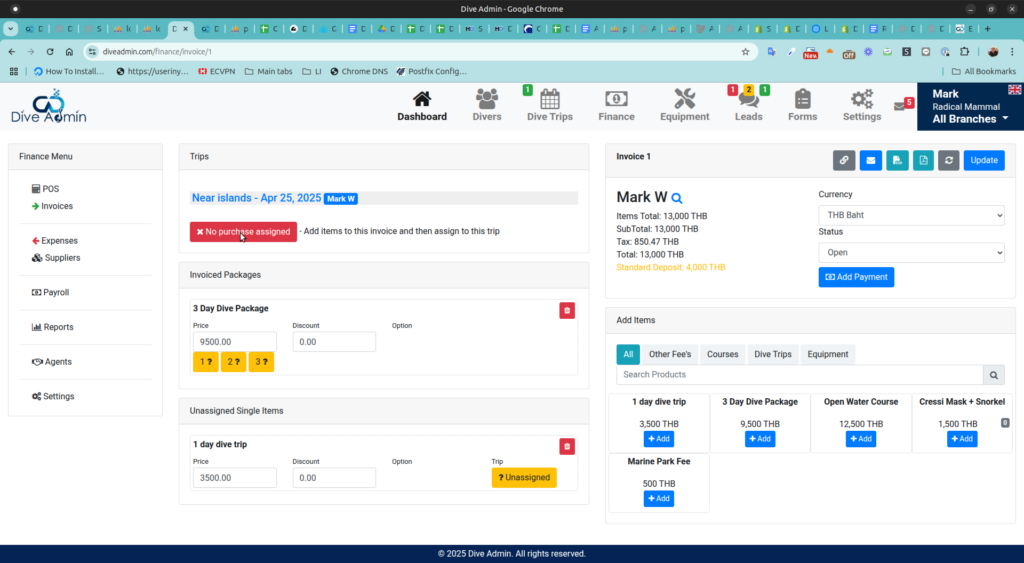
Centralized booking management stops scheduling disasters before they happen. A modern digital dashboard shows all experience levels, certifications, and medical restrictions in real time. Automatic conflict detection instantly alerts you if you schedule six students but only have two instructors available. Capacity tracking prevents overbooking specific activity categories, ensuring your boat never exceeds legal or comfortable limits.
Software platforms like Dive Admin act as your digital command center. They track medical questionnaires automatically. If a guest checks a box indicating a medical condition on their digital form, the system flags their profile immediately. Your staff sees this red flag three days before the trip, giving everyone time to request a doctor's clearance rather than scrambling on the dock.
Compare the old methods with modern digital solutions:
- <b>Waiver Collection:</b> Manual methods rely on soggy paper clipboards handed out on a rocking boat. Digital methods allow guests to sign documents on their smartphone from their hotel room.
- <b>Gear Preparation:</b> Manual methods involve guessing sizes from bad handwriting or rushed phone calls. Digital methods pull exact height, weight, and shoe size directly from a user profile.
- <b>Staff Scheduling:</b> Manual methods rely on a messy whiteboard with dry-erase markers. Digital methods use automated conflict detection to prevent double-booking an instructor.
Automated staff scheduling takes guesswork out of trip planning. Systems assign staff based on current certification levels, daily availability, and specific trip requirements. The software alerts management instantly when instructor ratios are violated. It even tracks your staff's continuing education and certification renewals automatically.
Should you turn away mixed-group bookings?
No. When managed properly, mixed-group bookings deliver higher revenue per trip and create exceptionally loyal customers worth thousands of dollars over their lifetime. Families book four to six spots at a time compared to the single spot booked by a solo backpacker. This fills your boats faster and provides more reliable income.
According to the 2025 Dive Industry Study by Boston Consulting Group, dive centers utilizing standardized operational systems reported 15 to 20 percent higher productivity. Mixed groups are a massive part of this revenue opportunity. They offer higher average booking values when combining professional courses, guided dives, and basic snorkeling. Families also book year-round based on school holidays rather than strictly following peak regional dive seasons.
Are there times when you should genuinely turn these bookings away? Absolutely. You must firmly decline mixed bookings when local site conditions aren't safe for varying abilities. Strong surface currents, massive swells, or poor visibility make mixed-group supervision nearly impossible. You should also pass if your current staffing levels simply cannot support strict supervision ratios required by your training agency. Never compromise safety just to secure a larger booking.
You can intelligently build your capacity for these groups over time. Start with simpler mixed groups like experienced snorkelers and certified divers before adding active student training into the mix. Develop dedicated family boats once seasonal demand justifies the resources.
Turning complexity into competitive advantage
The dive operations that thrive long-term make the ocean accessible to everyone. Mixed-experience groups are a feature of modern dive tourism, not a bug. They represent the future of the industry as diving shifts from an extreme sport to a mainstream family activity.
By implementing rigid standard operating procedures, you ensure safety and consistency. By utilizing smart scheduling models like the Anchor and Explorer method, you maximize boat space without burning out divemasters. By integrating cloud-based management tools, you eliminate the massive administrative burden that usually accompanies complex bookings. Embrace the complexity, put the right systems in place, and watch your customer loyalty and profitability soar.
FAQ
How many instructors do I need for a mixed group with students and certified divers?
Follow your certification organization guidelines strictly. PADI requires a 1:4 ratio for students in training. Certified divers can be supervised at 1:8 or higher depending on local conditions. For a group of four students and six certified divers, you need a minimum of one instructor for the students and one dedicated divemaster for the certified divers.
Can snorkelers and divers use the same boat simultaneously?
Yes, this is standard practice at many successful operations. Use the Anchor and Explorer model to establish a shallow home base for snorkelers with dedicated surface supervision. Divers can then safely explore deeper areas with their own guide. Ensure your boat briefing clearly separates the two groups.
What is the best way to handle equipment for mixed groups?
Pre-allocate all gear before guests arrive using your digital booking data. Create clearly separate staging areas on the boat or dock for snorkel gear, rental scuba gear, and training equipment. Color-code your equipment bags by activity type to prevent mix-ups during the morning rush.
How do I price packages for families with different experience levels?
Bundle pricing works best for diverse groups. Charge a standard per-person rate based on the specific activity type, such as snorkeling or guided diving. Offer a small family discount when booking three or more people doing different activities. This rewards their booking complexity while covering your increased operational costs.
What if weather forces a site change that doesn't work for part of the group?
Build site flexibility into your booking terms and always have backup sites planned. Communicate any weather changes as early as possible and offer clear alternatives. You can reschedule part of the group, offer a different activity at the new site, or provide partial refunds to keep everyone happy and safe.