How to Sell Dive Experiences Instead of Just Trips (2026 Guide)
Your dive center can and should sell curated dive experiences instead of generic trips. Packaging marine life sightings, local knowledge, training goals, and post-dive moments into holistic offerings helps differentiate your brand. This approach justifies premium pricing and builds lasting customer loyalty. Divers in 2026 prioritize depth over frequency. Moving beyond basic boat seats and tanks to create meaningful, multi-dimensional experiences is now essential for growth in a commoditized market.
<b>Key Takeaways:</b>
- Divers now choose longer, immersive trips over frequent budget dives
- Packaging micro-moments transforms standard trips into memorable events
- Using local knowledge and named bundles positions your center as an authority
- Software streamlines operations, freeing your team to focus on guests
Are You Selling Dives or Selling Memories?
You're offering great diving, fair prices, and safe boats. So why are customers still shopping around and choosing the cheapest option?
When dive centers only list prices and departure times, they become completely interchangeable. Selling dive experiences breaks this cycle.
Let's talk about how you can stand out by selling what divers really want. They don't just want a dive. They want a story they will tell for years.
Why Are Dive Centers Stuck Selling Just Trips?
The common mistake is focusing on logistics like boat times and tank fills instead of emotional benefits. When everyone lists the exact same features, price becomes the only differentiator. You find yourself in a race to the bottom.
Safety and equipment quality are assumed baselines in 2026. They're no longer strong selling points. Divers want connection, adventure, local insight, and a sense of place. Many centers fail to communicate this value.
According to the Adventure Travel Trade Association's 2026 outlook, 61% of operators anticipate higher net profits by focusing on specialized, experiential trips over high-volume bookings. This highlights the massive gap between what centers offer and what modern divers want.
What Does It Mean to Sell Dive Experiences Instead of Trips?
Selling dive experiences means packaging the entire journey. This includes booking ease, building anticipation, the dive itself, post-dive rituals, community, and follow-up. It's a massive shift from transactional selling.
"Here's a boat seat and a tank" is purely transactional. "Here's a morning chasing mantas, a beach lunch with our crew, and a sunset debrief over cold drinks" is a curated experience. You move from selling features to selling feelings and identity.
| Transactional Selling | Experience-Based Selling |
|—|—|
| Focuses on boat departure times | Focuses on the morning atmosphere and excitement |
| Sells a tank and a seat | Sells a guided adventure and local storytelling |
| Ends when the gear is washed | Ends with post-dive drinks and photo sharing |
| Competes heavily on price | Competes on unique value and customer care |
Experiences include elements like local storytelling, marine life guarantees, and cultural tie-ins. When you package these things together, you create immense value.
Why Does Experience-Based Selling Matter Now?
Travelers are booking longer, more immersive trips instead of frequent short breaks. Modern diver motivations include personal fulfillment, photo-worthy moments, skill mastery, and environmental connection.
These experiences justify premium pricing and stop price-shopping behavior. Enthusiastic customers return, refer friends, and leave glowing reviews. Transactional customers rarely do.
Grand View Research's 2025 market analysis projects the global diving tourism market will grow at a 10.4% compound annual growth rate through 2030, heavily driven by demand for sustainable and immersive experiences.
> "Divers are not just asking where they are going. They are asking why it matters and how they can engage more meaningfully with the environments they visit."
> — Dr. Alex Brylske, Editor at Eco Pro, cited in the 2026 State of the Dive Industry Report

How Can You Package Marine Life Sightings Into Experiences?
Move beyond generic promises about seeing tropical fish.
Offer specific, credible encounters. Tell your guests, "July is peak manta season, and our guides know the exact cleaning stations."
Use storytelling to profile signature species, seasonal migrations, and rare sightings your team has logged. Create themed packages like "Macro Photography Weekend" or "Shark Encounter Series." If possible, offer guarantees or alternative discounts if the target species don't appear.
Communicate rarity and exclusivity where appropriate. If only three boats have access to a specific site, make sure your customers know it.
How Do You Use Local Knowledge to Stand Out?
The problem with generic copy is that "crystal clear waters" sounds like every other center on earth. Be hyper-local and specific instead.
Name your sites. Describe unique geology. Share local folklore. Mention endemic species.
Position your team as true local authorities. Highlight their certifications, years of local guiding, and any research partnerships.
Educate your customers before they even arrive. Send pre-trip emails with tide charts, moon phases, species ID guides, and packing tips. Build trust through radical transparency. Acknowledge seasonal variability, realistic weather windows, and what customers should expect.
What Are Micro-Moments and Why Do They Matter?
Micro-moments are small, thoughtful touchpoints scattered throughout the customer journey. They include booking confirmations, pre-arrival guides, gear setup help, post-dive photo sharing, and thank-you messages.
When to use this:
- Send digital check-in forms ahead of time to streamline arrivals
- Set up gear based on previously logged preferences
- Create a post-dive ritual like a complimentary drink or group photo
- Follow up with an email saying, "Here are some photos from your dive"
These moments show genuine care, reduce friction, and create emotional highs. Operational efficiency enables this entirely. If your team is buried in paperwork, they can't deliver micro-moments.
How Can You Create Meaningful Dive Packages?
Bundle complementary elements together. Combine dives, equipment, lunch, guide time, a specialty workshop, and a souvenir logbook.
Name packages so they sound exclusive and intentional. Use titles like "Blue Water Explorer" or "Advanced Wreck Immersion." Price these bundles to feel valuable but fair. Always show the total value compared to the package price.
Include tiered add-ons so customers can self-select their ideal trip:
- <b>Basic:</b> Standard dive package and tanks
- <b>Premium:</b> Includes premium gear, lunch, and a private guide
- <b>VIP:</b> Adds professional underwater videography and priority boarding
Use scarcity and urgency to drive bookings. Statements like "Only 6 spots available per month" work exceptionally well.
How Can Data and Personalization Boost Your Dive Center?
Track customer preferences diligently. Log their certifications, dive count, interests, and equipment sizes. Use this data to make highly personalized recommendations.
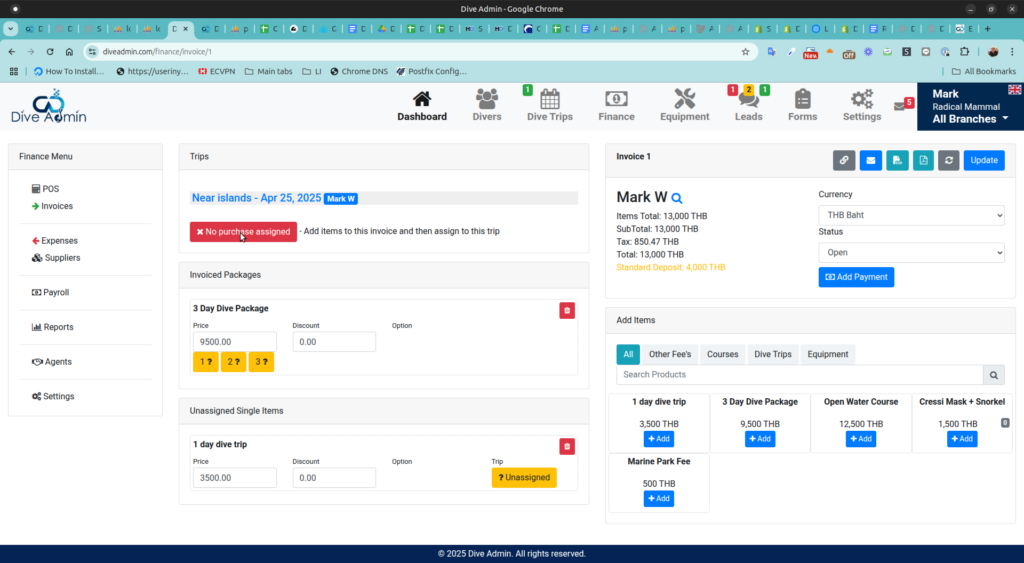
Automate where possible. Dive management software like Dive Admin can trigger personalized emails, suggest relevant courses, and track loyalty points. Send countdown emails to build excitement with trip prep and local tips.
Show your customers you remember them. A greeting like, "Welcome back, Sarah! Last time you loved the night dive, want to try our new site?" builds instant loyalty. Follow up post-dive with photos and course suggestions to keep the relationship alive.
What Role Does Branding and Marketing Play?
Great service is useless if no one knows about it. Focus your marketing on the "why" and the lifestyle. Highlight adventure, freedom, community, and personal growth.
Use visual storytelling extensively. Customer photos, video testimonials, and behind-the-scenes team moments perform incredibly well. Avoid jargon and boring feature lists. Lead with emotion and the final outcome of the experience.
Maintain a consistent brand voice that is friendly, knowledgeable, and trustworthy. Use social proof like reviews, user-generated content, awards, and certifications. Skift Research's analysis shows experiential travel marketing relies heavily on emotional resonance to justify higher price points.

How Does Streamlining Operations Free You to Focus on Experiences?
The hidden cost of running a dive center is the administrative burden. Manual bookings, paper waivers, and equipment tracking steal valuable time from customer interaction.
Modern dive centers use software to automate routine tasks. Digital forms, online booking, inventory, and certification tracking should all be digital. Dive Admin is a perfect example of software that handles complex operations so staff can focus on the guest experience.
This shift results in more time for personalized service, staff training, and creative package development. The return on investment is clear. Better experiences lead to higher reviews, more bookings, and sustainable growth.
Moving From Trips to Experiences
Stop selling boat seats and start selling memories, growth, and connection. This core shift requires a complete change in how you present your business.
Here's your action plan:
- Curate micro-moments throughout the journey
- Use local knowledge and storytelling
- Create named, meaningful packages
- Personalize with data
- Market the lifestyle, not the logistics
- Streamline operations to free your team
The business case is undeniable. You will see higher margins, loyal customers, and massive differentiation. Start small. Pick one package or one micro-moment to test this month.
FAQ
How much does it cost to create experience-based dive packages?
There is minimal upfront cost to create experience-based packages. Most changes are purely operational, like bundling, naming, and marketing. Software like Dive Admin streamlines logistics affordably. The real return on investment comes from premium pricing and repeat bookings.
What if my dive site is not exotic, can I still sell experiences?
Absolutely. Even local quarries and lakes can offer unique experiences through storytelling, training focus, community building, and highly personalized service. It's entirely about how you frame and deliver the experience, not where you dive.
How do I convince my team to shift from transactional to experiential selling?
Show them the direct benefits. They will experience less price-shopping pressure, happier customers, better tips, and much more fulfilling work. Start with small wins, test one micro-moment or package, and share the positive customer feedback with your staff.
Do I need expensive marketing to sell experiences?
No. User-generated content, authentic storytelling on social media, and word-of-mouth from enthusiastic divers are powerful and very low-cost. Focus your efforts on conveying emotion and the outcomes of the trip rather than spending heavily on traditional ads.
How quickly can I see results from experience-based selling?
Many centers see increased bookings and higher average transaction values within one to three months of launching curated packages and improving customer touchpoints. Consistency is the most important factor in maintaining this momentum.