How Dive Centers Can Promote Dive Destinations with Authenticity and Data
Dive centers win bookings by ditching vague phrases like "crystal clear waters" and replacing them with specific, sensory details divers can actually use. Authenticity matters more than polish right now. Share hard data like visibility ranges, marine life calendars, and real stories from your instructors. Feature your team as local experts and answer the exact questions divers are searching for. This approach boosts your SEO and attracts divers who value genuine expertise over cookie-cutter marketing.
<b>Key Takeaways:</b>
- Replace vague descriptions with specific moments, named marine life, and exact dive conditions
- Publish detailed site guides covering depth, current, visibility, and seasonal marine life
- Showcase instructor expertise and behind-the-scenes operations to humanize your brand
- Promote a full travel experience by including culture, dining, and activities beyond diving
- Use real testimonials, local stories, and seasonal calendars instead of generic copy
Picture this scenario. A diver scrolls through five different dive center websites. Every single one promises "pristine reefs" and "crystal clear waters." Travelers right now are highly skeptical of generic content. They can spot automated fluff from a mile away. If your copy sounds exactly like the shop down the street, divers have no reason to choose you.
Dive centers that provide specific and useful information are winning the bookings. You need a strategy to promote dive destinations when everyone else relies on the same tired language. Let's explore practical ways to showcase your local sites with real personality and undeniable credibility.

Why does generic dive marketing fail right now?
Generic copy provides absolutely no decision-making value. Divers need specifics to figure out if a site matches their skill level. Overused phrases like "world-class" and "unforgettable" trigger distrust instead of desire.
Here's the reality check. According to the 2025 Edelman Trust Barometer report, 68% of travelers now verify online claims through multiple sources before booking adventure tourism experiences. Audiences simply don't trust empty adjectives anymore.
Authority and expertise are your biggest competitive advantages. Vague websites lose to competitors who actually answer real questions. When you skip the fluff and provide facts, you win the trust of potential customers.
What are memory anchors and how do they replace generic copy?
Memory anchors are specific sensory details that stick in a reader's mind. They prove you actually know the waters you're talking about.
Here's the common mistake. Writing something generic like "divers will explore beautiful coral gardens and vibrant marine life."
The fix? Say something real. Tell them that at 18 meters on the north side of the Arch, they'll meet Barnaby. He's a hawksbill turtle who hangs around the same coral pillar and is usually there by 9 in the morning.
This works because it gives divers a quest. It proves local knowledge and creates a community feeling. You can also name specific wrecks, note depth markers, or describe the sound of parrotfish crunching coral. Interview your dive guides for these stories. They live them daily and know exactly what makes a site special.
How can dive centers use data to build authority?
Divers search for specifics. They type phrases like "best beginner drift dives Bali" or "wreck dive depth range" into search engines. Providing this precise data improves SEO and builds booking confidence.
Create diver-first site guides that rank for high-intent searches. Include average depth, typical visibility by season, current strength, and water temperature by month.
Bottom line: According to PADI's 2024 dive travel insights, 72% of divers use specific condition keywords like "current" or "visibility" when researching dive sites. They don't use generic destination names.
Add a marine life calendar to show what's actually visible. State that whale sharks peak June through August instead of just claiming you have whale sharks. Label sites clearly for experience matching, like "Beginner Shore Dive" or "Advanced Macro Photography Haven."

Why should you put instructors front and center?
People trust people over corporate logos. Humanizing your brand is a massive marketing shift you can't ignore if you want to increase bookings.
> "Modern travelers don't want to feel like they're buying from a faceless company. They want to know who's actually guiding them, and why that person loves what they do." — Maria Chen, Director of Marketing for the Adventure Travel Trade Association (ATTA), 2025
Start an instructor spotlight strategy. Post short bios with photos, certifications, and years of local experience. Let each instructor share their favorite site and tell a personal story about it.
Post behind-the-scenes content on social media. Show your team prepping gear, giving boat briefings, or checking the weather. Unpolished video builds trust faster than glossy ads. Divers will feel like they already know their guide before they even arrive. Encourage your staff to share their own content with a simple approval process.
What does a complete dive travel experience look like?
Modern divers want mixed itineraries. Younger generations especially want a blend of diving, culture, adventure, and food. They want a complete vacation experience.
Pro tip: Promote diversified activities. Feature local restaurants, hiking trails, and cultural sites on your website. Partner with local tour operators for package deals. Acknowledge rest days between dives and give great suggestions for dry days.
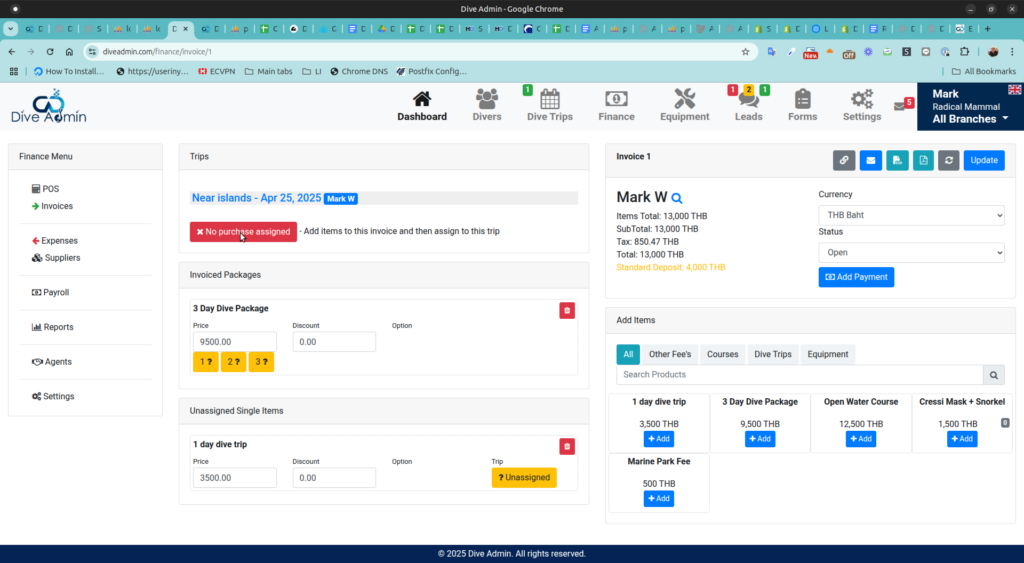
Your marketing must match your booking experience. If your copy is personalized, your booking flow needs to be intuitive and mobile-friendly. You can use tools like Dive Admin to streamline the backend while delivering a polished frontend.
Try suggesting a sample itinerary. Give them a five-day plan that includes three dive days, one rainforest hike, and one local cooking class. This attracts traveling companions who might not dive every day and shows you understand their whole vacation.
How do you write destination copy that feels authentic?
Writing authentic copy comes down to choosing facts over adjectives. You need tactical writing habits to stand out in a crowded market.
<b>Step One:</b> Use the specific-over-spectacular rule. Replace "amazing visibility" with "typically 20 to 25 meters in summer months."
<b>Step Two:</b> Lean on local voices. Quote your boat captains, guides, or repeat guests. Share short stories straight from their logbooks.
<b>Step Three:</b> Practice seasonal honesty. Acknowledge challenging conditions. You can say "October brings plankton blooms, giving lower visibility but incredible macro photography and manta feeding behavior."
<b>Step Four:</b> Cut the automated phrases. Avoid saying things like "discover the magic of our reefs." Stick to concrete nouns, active verbs, numbers, and names.
Format everything for scannability. Use bullet lists, bold key facts, and keep paragraphs short. Make sure every section offers standalone value.

Generic versus high-credibility dive marketing
Credible copy provides decision-making data. Generic copy provides empty hype. Use this comparison table to audit your own website.
| Generic Approach | High-Credibility Approach |
| :— | :— |
| "Crystal clear waters" | "15 to 20m visibility with mild currents, ideal for drift photography" |
| "See amazing marine life" | "Peak manta ray season at Cleaning Station is June through August" |
| "Expert instructors" | "Meet Sarah. She has ten years diving these reefs with a specialty in wrecks" |
| "Beautiful coral reefs" | "The Cathedral features hard coral pinnacles at 12 to 18m" |
| "Book your dive now" | "Check availability for our three-day liveaboard to the Northern Atoll" |
| "World-class diving" | "Advanced drift dive. 25m average depth, mild current, pelagics common" |
Audit your existing website and social content this week. Find one generic page and update it with specific details. Your local knowledge is your biggest competitive advantage, so show it off.
FAQ
How do I describe dive sites without using cliches like "crystal clear waters"?
Use specific data instead. Mention visibility ranges in meters, depth limits, current strength, and named marine life. Say something like "the Pinnacle offers 18 to 22m visibility in summer, mild current, and frequent turtle sightings near the western slope." Add sensory details, like the sound of parrotfish crunching coral or naming individual features like "the Archway at 15 meters."
What information do divers actually search for when choosing a destination?
Divers search for conditions instead of adjectives. They want depth ranges, visibility by season, current strength, entry logistics, marine life calendars, and experience level matching. According to 2024 dive travel research from PADI, 72% of divers use condition keywords like "current," "visibility," and "depth" in searches. They rarely use generic destination names.
Why should dive centers feature instructors in their marketing?
Travelers trust people over brands. Featuring instructors with names, photos, and personal site favorites builds human connection before arrival. Sharing behind-the-scenes content proves your authenticity and expertise. This reduces booking hesitation because divers feel they're joining a community instead of just buying a basic service.
How can small dive centers compete with big resort marketing budgets?
Authenticity beats budget every time. Small centers have deep local knowledge, staff who have dived the sites for years, and genuine community ties. You can create detailed, data-rich site guides that rank well for specific searches. Use free platforms to share real daily operations. High-intent divers value this expertise far more than expensive polish.
Should I mention challenging conditions or low seasons in my marketing?
Yes. Honest transparency builds immense trust. Frame these challenges as unique opportunities. You might explain that "October plankton blooms reduce visibility to 15 meters but create incredible macro photography and attract feeding manta rays." Divers respect centers that set accurate expectations. It attracts the right divers and prevents bad reviews.