Why 96% of First-Time Divers Never Come Back (And How to Fix It)
Most dive centers lose nearly all their first-time participants. Beginners get overwhelmed with complex information, technical jargon, and rushed administrative processes. The solution isn't more detailed briefings. It's simpler communication. Breaking skills into manageable steps and prioritizing confidence over information dumping dramatically improves course conversions. Welcoming experiences easily turn curious bucket-list participants into certified, loyal divers.
<b>Key Takeaways</b>
- 96% of people who try diving never return because onboarding is overwhelming
- Simpler language and shorter briefings drastically improve course conversion rates
- Cognitive overload causes task saturation and anxiety in new divers
- Building confidence through small, immediate wins beats comprehensive information dumps
- Personalized onboarding that uncovers a student's true motivation increases long-term retention
The Irony of Information in Scuba
A nervous first-timer arrives at your dive center excited to try scuba. Thirty minutes later, they're drowning in equipment names, hand signals, equalization techniques, and safety protocols. They haven't even touched the water yet.

The industry tries to help by giving more information. This actually creates more fear and confusion. What if the best beginner diver onboarding isn't comprehensive, but simple?
Awareness of scuba diving is exceptionally high in the United States. According to the Business of Diving Institute (2025), there's a staggering 96% dropout rate among those who try diving once. Dive center owners and managers recognize this familiar scenario. The well-intentioned thoroughness of instructors actively pushes potential divers away.
Why Are So Many Beginners Walking Away From Diving?
The disconnect between high interest and low follow-through is stark. Many dive centers assume their marketing or pricing is to blame. The real issue lies within the onboarding experience itself.
Customer satisfaction for entry-level scuba experiences sits at only 59%, according to the Business of Diving Institute (2025). This compares poorly to the 86% global service benchmark for similar hospitality and recreation industries.
Here's the kicker: 48% of past participants only tried diving in a pool.
These individuals approach diving with a bucket list mentality rather than a genuine desire for certification. When the experience feels like a complicated academic exam instead of a fun adventure, they check the box and walk away forever.
What Happens in a Beginner's Brain Underwater?
The human brain can only process a limited amount of novel data at one time. New divers face a perfect storm of unfamiliarity. They encounter a new physical environment, heavy new equipment, and complex breathing instructions all at once.
This creates severe anxiety.
Research from the Divers Alert Network highlights the concept of task overload in novice divers. When cognitive capacity gets exceeded, divers experience inattentional blindness. They literally can't process or remember critical safety information because their brain is saturated.
Fear replaces excitement when complexity exceeds a student's comfort level. Safety requires situational awareness. A saturated brain can't maintain situational awareness.
How Does Jargon Create Barriers for New Divers?
The scuba industry relies heavily on technical vocabulary during the earliest stages of training. Instructors often default to acronyms and specialized terms that sound like a foreign language to newcomers.
Delivering a 20-minute equipment monologue before the student gets wet is a common mistake.
Telling a nervous student to "use the BCD purge valve" instead of saying "let air out of your vest" creates unnecessary friction. These academic pre-dive briefings intensify existing psychological barriers like claustrophobia or the fear of open water.
The British Sub-Aqua Club successfully improved their conversion rates by stripping away jargon. They proved that shorter, plain-language briefings make the water transition much less intimidating. When instruction is too fast or too technical, students feel incompetent before they even begin.
What Does Simpler Onboarding Actually Look Like?
Simpler onboarding strips the initial experience down to its absolute essentials. You create physical and emotional safety first. Skill complexity comes later.
<b>Step 1:</b> Break skills into micro-steps. Focus on one single task at a time in shallow water.
<b>Step 2:</b> Use plain language. Say "pinch your nose and blow gently" instead of "perform the Valsalva maneuver."
<b>Step 3:</b> Sequence for success. Have the student practice just breathing from a regulator. Once comfortable, introduce equalization. Then move to mask clearing. Don't teach all three simultaneously.

> "Knowledge replaces fear with control."
> Dan Orr, Former President, Divers Alert Network
Teaching in bite-sized pieces gives students the control they need to manage their fear.
Why Does Building Confidence Beat Information Dumping?
Confidence directly drives business growth. Confident divers are safer divers because they have the mental bandwidth to process what you teach them.
Research shows that repeat involvement in recreational activities is linked to an increased perception of personal competence. The power of small wins is undeniable. Mastering one clear task, like equalizing in three feet of water, creates the internal motivation required to continue.
Compliance with safety standards is non-negotiable. How you deliver that safety information determines student success.
Positive, consistent experiences drive loyalty. Rushed, high-pressure information dumps create relief when the session ends. You want your students to feel empowered, not just compliant. Confident students buy gear, book trips, and complete their Open Water certifications.
How Can Dive Centers Make Onboarding More Personal?
Every student walks through your doors for a different reason. Understanding each student's underlying motivation reduces their anxiety and builds instant rapport.
Ask about their goals during the initial booking phase.
A thrill-seeker looking for an adrenaline rush needs a different emotional approach than an ocean conservationist or a parent wanting a family bonding activity. Tailoring the conversation makes students feel valued. It prevents them from feeling like just another number in a cattle-call group session.
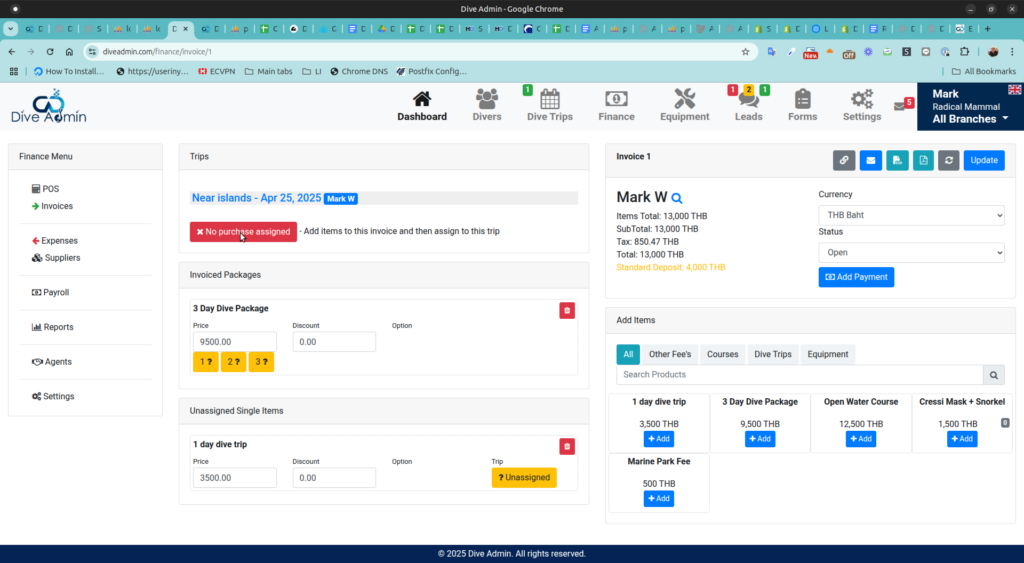
This human-centric approach requires time. Instructors can't build deep relationships if they're buried in administrative paperwork or reciting mandatory information blocks. Software like Dive Admin handles the heavy lifting of waivers and scheduling. This frees your staff to spend their valuable time building human connections and uncovering the student's true motivations.
What Should Dive Centers Do Differently Starting Tomorrow?
You can completely transform your beginner experience without rewriting your entire curriculum.
<b>Action plan for immediate implementation:</b>
<b>Time your briefing:</b> Audit your current pre-dive speech. If it takes longer than 10 minutes, cut it in half.
<b>Scrub the jargon:</b> Review all student-facing materials. Replace technical terms with simple, everyday language.
<b>Restructure pool sessions:</b> Break the first confined water session into micro-skills. Celebrate the completion of each tiny step.
<b>Uncover the motive:</b> Add one mandatory question to your booking forms. Ask what made them want to try diving today.
<b>Measure confidence:</b> Change your post-dive survey. Instead of asking if they had fun, ask how confident they feel about their diving skills.
<b>Empower your staff:</b> Give your instructors explicit permission to slow down. Let them skip non-essential fun facts if a student shows signs of stress.
FAQ
Won't simpler onboarding compromise safety standards?
No. Safety requirements remain non-negotiable, but how you communicate them changes. Instead of a 30-minute lecture on equipment, teach safety information in context as students use each piece. Breaking information into digestible moments improves retention and actual safety because students avoid cognitive overload.
How do I simplify onboarding without leaving out important information?
Prioritize ruthlessly. Ask if the student needs this information before they touch water, or if it can come during or after their first experience. Move non-essential details like equipment purchasing, marine life facts, and dive site options to after they've taken a successful first breath underwater.
What is the ROI of simpler onboarding for my dive center?
Higher course conversions are the primary return on investment. If your trial dive to Open Water certification conversion is currently 10 to 20 percent, simplifying can push it to 30 or 40 percent. That's real revenue generated by turning more trial participants into paying students without increasing your marketing spend.
How long should a first-time diver briefing actually be?
Aim for 5 to 10 minutes maximum for initial pool or confined water sessions. Cover only what they'll do, how to breathe, one equalization technique, and the basic hand signals for okay and not okay. Everything else can wait until they've experienced success.
Can this approach work with large group sessions?
Yes, but it requires restructuring your flow. Instead of one instructor lecturing ten people for 30 minutes, use a brief 5-minute group overview. Then break into smaller groups of three or four students per instructor for personalized attention. Efficient administrative systems are crucial here, as they free up staff time to allow for these smaller ratios.