Converting Discover Scuba Divers Into Certified Students: The Complete Guide
Most dive centers convert fewer than 10% of their Discover Scuba guests into certified divers, leaving thousands of dollars on the table each year. The fix isn't complicated. Treat that first dive as the opening chapter of a long relationship. Keep instructor ratios low, explain how trial credits work toward certification, follow up automatically, and build real community. When you nail these basics, conversion rates can jump to 15% or higher.
Key Takeaways
- Lower student-to-instructor ratios (ideally 2:1) dramatically improve comfort and retention for nervous first-timers.
- Discover Scuba typically counts as credit toward the first confined water dive and first open water dive in full certification courses.
- Automated CRM follow-up at 24 hours, one week, and one month keeps your shop top-of-mind without manual effort.
- Social events that mix beginners with experienced divers create community and turn one-time guests into lifelong customers.
- Industry-standard conversion rates hover between 3-5%, but shops with strong systems routinely hit 15-20%.
Why Do Most Discover Scuba Guests Never Come Back?
Here's the problem. When people breathe underwater for the first time, they experience a massive adrenaline spike mixed with raw vulnerability. They're auditioning your dive center for a hobby that could last decades. But too many operations treat high-volume try-dives as quick tourist cash grabs.
The guest feels it.
Three things kill return visits. Poor experience quality ranks first. Rushed briefings, leaking masks, and overcrowded boats trigger fear instead of wonder. Second, guests leave with zero clarity about next steps. They don't know that their experience already counted as course credit. Third, they felt unsafe. Four nervous beginners with one instructor creates panic, not loyalty.
According to PADI industry data, resort conversion rates from Discover Scuba to Open Water certification hover as low as 2.9% to 5% without proper follow-up systems. That's abysmal considering the lifetime value of a certified diver.
But there's another side. Personalized attention changes everything. Celebrating small wins like clearing a mask for the first time matters. Making guests feel like part of a tribe, not a transaction, matters. People want to feel seen and competent, not like tourist number 47 on today's cattle boat.
What Makes a First Dive Experience Worth Repeating?
Your operational elements dictate exactly how guests perceive the sport. A flawless first impression sets the stage for a lifetime of gear purchases, travel bookings, and continuing education courses.
Should You Lower Your Student-to-Instructor Ratios?
Yes. Immediately.
PADI training standards allow a maximum 4:1 ratio for the first open water dive with Discover Scuba participants. But cramming four nervous beginners with one instructor regularly backfires. The instructor can't give personalized attention. Someone panics. The whole group surfaces early. Nobody has fun.
Dropping your ratio to 2:1 provides the attention that prevents panic. You can justify a higher price point for this premium experience. Customers happily pay $20-30 more when they feel safe and well-guided compared to an overcrowded discount operation.
The math works too. Smaller groups mean more frequent trips, but your conversion rate doubles or triples. One additional Open Water student at $500 pays for ten Discover Scuba discounts.
Does Equipment Quality Really Matter That Much?
Your rental gear is your silent sales team.
A leaking mask ruins the magic of the underwater world instantly. A hard-breathing regulator makes someone feel like they're suffocating. Ill-fitting BCDs create anxiety about safety. When beginners spend mental energy worrying about water up their nose, they can't enjoy the reef.
Establish a rigid maintenance checklist specifically for try-dive equipment. Provide pristine, color-coordinated gear that fits properly. Replace anything questionable. The $200 you spend on a new mask set pays for itself when three more guests sign up for certification because they felt comfortable.
What Should Happen in the Post-Dive Debrief?
The debrief matters just as much as the dive itself.
Don't let guests simply drop their tanks and walk to their cars. Sit down with them. Celebrate their bravery. Highlight the specific skills they mastered. Point out how good their buoyancy was or how calm they stayed during mask clearing.
Gary Davis, Operations Manager at Action Scuba Montreal, puts it clearly: "The post-dive conversation is where retention happens. We've seen incredible loyalty by simply having a staff that cares for you with expert advice and equipment."
Give your staff a simple script. They should transition naturally from praise to the certification pathway. "You did great down there. That buoyancy control you showed? That's exactly what we work on in Open Water. By the way, today's dive already counts as credit toward the full course."

How Does Discover Scuba Credit Work Toward Full Certification?
Many beginners assume they start from scratch if they sign up for a full course. This misunderstanding kills conversions. You need to explicitly explain how their experience counts.
Under major training agencies like PADI, SSI, and NAUI, a properly documented Discover Scuba experience typically credits as the first confined water dive and the first open water dive. The guest must complete the required skills during their try-dive, and the instructor must log it appropriately. This credit stays valid for up to 12 months.
That's huge. It saves them time and money. But they won't know unless you tell them.
How Can You Make the Pathway Crystal Clear?
Before guests leave the shop, hand them a physical or digital "Next Steps" document. This visual certification pathway shows their try-dive as step one already completed. Use simple graphics. Show the full Open Water course as four or five steps, with the first box already checked.
Pricing transparency matters equally. Show them the exact dollar amount their credit saves them. When they see "$100 discount waiting for you" in writing, the mental hurdle to sign up shrinks dramatically.
Put your next available Open Water course dates right there on the handout. Make signing up the easiest possible next action.
What About Guests Who Live Far Away?
You can still facilitate their journey.
Send them home with a referral to a reputable dive shop near their zip code. Use training agency locator tools and your own network. A quick email introducing them to an instructor in their hometown takes five minutes.
Subject line: "Complete Your Certification Back Home"
Body: "Hi Sarah, it was awesome diving with you last week! I connected you with Blue Water Scuba in Denver. They're great people and can finish your Open Water using the credit from your dive with us. Contact info below."
Building these partnerships with inland operations creates a two-way referral street. The inland shop gets a motivated student. You get a certified diver who will likely return to your tropical destination for advanced training or guided trips.
Why Does Building Community Turn Beginners Into Regulars?
People show up for the fish. They stay for the friendships.
The social psychology of diving retention is incredibly strong. Community creates stickiness that transcends the technical aspects of breathing from a regulator. When your shop becomes someone's social hub, they keep coming back even between courses.
What Social Touchpoints Work Beyond Training?
Create reasons for people to visit your dive center when they're not actively paying for a class.
Host monthly BBQs. Schedule local shore dive days where anyone can tag along. Throw video watch parties where you screen underwater footage on a big screen. Keep the events casual and free or low-cost.
Mix different experience levels. When a brand-new diver chats with a seasoned divemaster over a burger, natural mentorship happens. The beginner feels welcomed rather than intimidated. The veteran enjoys sharing stories. Everyone wins.
How Do You Build a Digital Community?
A thriving digital space keeps your shop top-of-mind between physical visits.
Create private Facebook groups or WhatsApp communities specifically for your divers. Share weekly dive photos. Celebrate student milestones with congratulations posts. Announce upcoming trips and last-minute boat openings.
Seeing photos of friends having fun on a boat creates genuine fear of missing out. This gentle social pressure encourages newer divers to sign up for their next course just to join the fun. It's organic marketing that costs nothing.
According to Meta's 2025 Community Insights Report, private groups with consistent weekly posts see 3x higher engagement than public business pages. Your students want that inside-circle feeling.

What Follow-Up System Actually Converts Discover Scuba Guests?
Relying on memory or a messy whiteboard to follow up with leads is leaving money on the dock. A structured, automated sequence does the heavy lifting for your sales process.
What Data Should You Capture on Day One?
Your booking process must capture accurate contact information and marketing consent.
Ask for email address and phone number on the digital waiver. Include a clear checkbox: "I'd like to receive photos from my dive and information about certification courses." When you set this expectation early, your messages feel helpful rather than intrusive.
Tag them in your system as "Discover Scuba Participant" with the date. This tag triggers your automated sequence.
What Should an Automated Follow-Up Sequence Include?
Timing is everything in sales. Set up an automated sequence that reaches out at specific intervals.
<b>24 hours after their dive:</b> Send a thank-you email. Include a link to their underwater photos. Mention briefly that their dive counts as credit toward Open Water.
<b>One week later:</b> Follow up with details about your next Open Water class. Remind them of their financial credit. Share a testimonial from a recent graduate. Include a clear call-to-action button to book.
<b>One month later:</b> Invite them to an upcoming social event. "We're hosting a BBQ next Saturday. Come meet other divers and hear about our upcoming trips." This keeps you on their radar without being pushy about sales.
HubSpot's 2026 Marketing Statistics show that segmented email campaigns can increase revenue by up to 760%, and personalized automated emails improve transaction rates by 6x compared to generic broadcasts. Customizing the message based on their exact dive date makes all the difference.
Do You Really Need Specialized CRM Software?
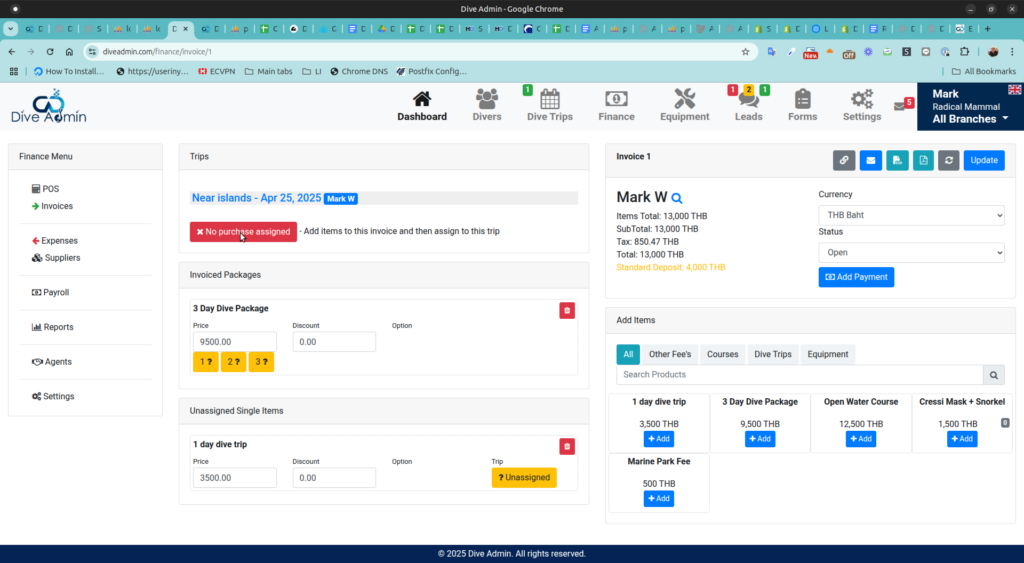
Spreadsheets don't scale. You need dive center management software that handles scheduling, waivers, and email automation in one unified place.
Look for platforms designed specifically for dive operations. They should automatically tag Discover Scuba participants and trigger your exact follow-up sequence without manual intervention. Features like automated reminders, digital waiver storage, and online booking reduce administrative friction.
A dedicated platform streamlines this entire backend process so your instructors can focus on teaching rather than wrestling with email lists.
How Should You Train Staff to Nurture Long-Term Divers?
Technical diving skills alone don't create retention. Your instructors need robust soft skills training to build rapport and identify guests who could become lifelong divers.
What Questions Should Staff Ask During Check-In?
During sizing and equipment check-in, staff should investigate guest motivations. One simple question changes the entire dynamic.
"Are you just trying this out for your bucket list, or have you always wanted to get certified?"
Listen carefully to the answer. If they mention wanting to dive with whale sharks someday, the instructor immediately knows to tailor the post-dive debrief around the advanced courses required for that goal. If they say "just bucket list," focus on making the experience so amazing they change their mind.
Reading body language matters too. Someone who asks lots of questions about marine life might love an underwater naturalist course. Someone fascinated by the equipment might be your next divemaster candidate.
Should You Empower Staff to Make Retention Decisions?
Absolutely. Give instructors authority to add personal touches.
If a guest struggles with equalization but shows deep enthusiasm, empower the instructor to extend the pool session by fifteen minutes at no extra charge. That small investment in their comfort pays dividends.
If someone nails every skill and clearly loves it, the instructor should have authority to offer a same-week discount on Open Water. "You're a natural. If you sign up for our course starting Thursday, I can take $50 off right now."
Incentivize your staff for conversions, not just completion numbers. Implement a recognition program or bonus structure for instructors who successfully transition try-dive students into full enrollments. What gets measured and rewarded gets done.
How Do Backend Operations Affect Diver Retention?
Administrative friction frustrates customers and pushes them toward competitors. Modern operations signal professionalism and build trust.
Why Does Your Booking Process Matter So Much?
Online booking drastically reduces friction. Today's consumers expect mobile-friendly payment options and instant digital confirmations.
If a guest has to call your shop three times just to pay a deposit, they arrive annoyed before they even touch water. Automated confirmations, digital waivers, and text reminders show that your business is organized and trustworthy.
Quick response times matter immensely. If a guest replies to your automated email asking a specific question about Open Water schedules, a fast and friendly human response seals the deal. Radio silence for 48 hours sends them to your competitor.
Does Professional Communication Really Build Trust?
Consistent branding across all touchpoints reassures anxious beginners.
Your emails, website, and in-store signage should look cohesive. Use the same logo, colors, and friendly tone everywhere. Typos and broken links scream "unprofessional" to someone considering trusting you with their safety underwater.
Maintain a professional yet enthusiastic tone in every message. You're knowledgeable guides, not stuffy academics or bro-dude adrenaline junkies. Find the sweet spot that makes people feel safe and excited at the same time.
What Results Can You Expect From Better Retention?
Implementing these tactics transforms the financial health of a dive center. The math is straightforward and compelling.
Consider a typical operation that sees 500 Discover Scuba participants per year. At a 5% conversion rate, they gain 25 new Open Water students annually.
Now implement 2:1 ratios, clear credit explanations, automated CRM follow-up, and monthly social events. That conversion rate jumps to 15%. That's 75 new students instead of 25.
At an average of $500 per Open Water course, that single operational shift generates an additional $25,000 in top-line revenue. That doesn't count future gear sales, specialty courses, or trip bookings from those 50 extra certified divers.
The return on investment is immediate. The monthly cost of good CRM software pays for itself when a single extra signup happens.
Your Discover Scuba Retention Roadmap
| Strategy | Action Item | Time to Implement |
| :— | :— | :— |
| Experience | Maintain 2:1 ratios in the water; provide pristine gear | Immediate |
| Education | Explain credit verbally; provide Next Steps document | 1 week |
| Community | Schedule monthly social events and invite recent guests | 2 weeks |
| Operations | Implement CRM system with automated email follow-up | 1 month |
FAQ
How much of the Open Water course does Discover Scuba count toward?
Under major training agencies like PADI, SSI, and NAUI, a properly documented Discover Scuba experience can count as credit toward Confined Water Dive 1 and Open Water Dive 1. The guest must complete the required skills during their try-dive, and the instructor must log it appropriately in the training records. This credit typically stays valid for up to 12 months, though some agencies allow longer windows.
What is the average conversion rate from Discover Scuba to Open Water certification?
Industry averages for high-turnover resort locations hover between 3% and 5% according to PADI industry estimates. However, dive centers that implement strong post-dive debriefs, automated follow-up emails, clear progression pathways, and community-building events frequently see conversion rates between 15% and 20%. Some boutique operations with extremely low ratios report rates above 25%.
How long should you follow up with Discover Scuba participants?
A standard automated sequence should hit the 24-hour, one-week, and one-month marks with targeted messages. After that initial sequence, move participants to your general newsletter list where they receive updates every few weeks about local events, trip reports, and special certification promotions. Run reactivation campaigns for cold leads every six months with special offers or new course announcements.
What is the best way to follow up with guests who live far away?
Introduce them via email to a reputable dive center near their home zip code. Provide the local shop's contact information and attach a record of the guest's Discover Scuba credit and skills completed. This builds goodwill with the guest, establishes strong referral networks with other shops, and keeps the guest engaged with the sport so they return to your location on their next vacation for advanced training or guided dives.
Do I need expensive software to track Discover Scuba conversions?
You don't need an enterprise-