How to Make Repeat Divers Feel Like VIPs Without Breaking the Bank
Dive centers waste money chasing new customers while loyal divers feel invisible. The solution isn't complicated. Use CRM tools to remember equipment preferences, certifications, and goals. Send targeted emails based on actual dive history. Celebrate real milestones with genuine gestures. Pre-fill rebooking forms so guests skip the tedious paperwork. Turn every interaction into a relationship, and casual visitors become lifelong advocates who book more trips and refer their friends.
<b>Key Takeaways:</b>
- Equipment preferences and personal goals stored in a CRM make returning guests feel instantly recognized
- Pre-filled forms and digital waivers eliminate the friction that frustrates repeat visitors
- Segmented emails based on dive experience perform far better than generic mass blasts
- Exclusive events and milestone recognition create belonging that transcends simple transactions
- CRM automation frees up staff time for genuine personal connections that matter most
Why Do Repeat Divers Feel Like Strangers at Their Own Dive Center?
Picture this scenario. A veteran diver with 50 logs at your center walks in for their annual trip. The front desk hands them the exact same blank paper waiver they filled out five times before. A few minutes later, a staff member pulls a medium BCD for them. They actually wear a large.
This frustrating disconnect happens constantly in the scuba industry. Dive centers spend thousands of dollars attracting new customers while repeat guests often feel completely invisible.
The secret to fixing this requires a complete shift in mindset. Move away from transactional loyalty programs like basic punch cards. Embrace true experience-driven recognition instead.
Why Do Repeat Divers Matter More Than New Customers?
<b>Key takeaway:</b> Retention drives profit much faster than acquisition.
Acquiring a new customer costs 5 to 25 times more than retaining an existing one, according to research published in Harvard Business Review. This reality hits hard for dive centers dealing with expensive paid search ads and high marketing costs.
A loyal diver holds incredible lifetime value. They book more boat trips. They refer friends. They become vocal ambassadors for your brand.
Increasing customer retention rates by just 5 percent increases profits by 25 to 95 percent, according to Bain & Company research. The emotional connection sets repeat guests apart from one-time tourists. A returning diver cares about your staff, your local reefs, and your business success.
What Makes a Repeat Diver Feel Recognized?
Modern divers traveling in 2026 value relevance over volume. They don't want another generic coupon code. They want you to know them.

The foundation of genuine recognition rests on three specific pillars.
First is being known. Staff should remember their name, their equipment preferences, and their past dives.
Second is reduced friction. Guests hate repeating administrative steps they already completed on their last vacation.
Third is exclusivity. They want to feel part of an inner circle instead of just another booking confirmation number.
> "When we started tracking guest preferences in our CRM, repeat bookings jumped 40 percent in the first year. People notice when you remember their favorite BCD size." – Mark Thompson, Operations Manager at Sunken Treasures Dive Center
How Do You Build a Smart Guest Profile System?
<b>Bottom line:</b> A smart profile captures actionable details beyond a simple name and email address.
You need to capture specific data points to deliver VIP service consistently. Track equipment preferences carefully. Record their exact BCD size, favorite fin brand, preferred wetsuit thickness, and usual tank type.
Log their certification level and training history. Note the past dive sites they visited with your center so you can suggest new spots next time.
Write down their personal goals. If a guest wants shark encounters or needs work on buoyancy control, put it in their secure file. Maintain a medical status timeline so they skip redundant paperwork if their health hasn't changed. Note dietary restrictions for boat lunches. Keep a running milestone tracker for their total dives with your center.
Manual tracking fails at scale. Spreadsheets get messy quickly. A 2024 study by Cornell's School of Hotel Administration found that centralized guest data systems improve repeat booking probability by over 30 percent. A purpose-built solution like Dive Admin allows you to maintain unlimited profiles effortlessly.
How Can You Make Rebooking Frictionless for Returning Guests?
Repeating paperwork and re-explaining needs severely annoys returning guests.
<b>Step 1:</b> Implement pre-filled booking portals. When a returning guest logs in, their gear sizes and preferences should auto-populate immediately.
<b>Step 2:</b> Use digital waivers with memory. Ask the guest if anything has changed since their last dive instead of forcing full data re-entry.
<b>Step 3:</b> Create a one-click rebooking option. Let them easily book the exact same trip package they loved last year.
<b>Step 4:</b> Practice proactive gear prep. Have your staff pull the right equipment and set it up before the guest even walks through the door.
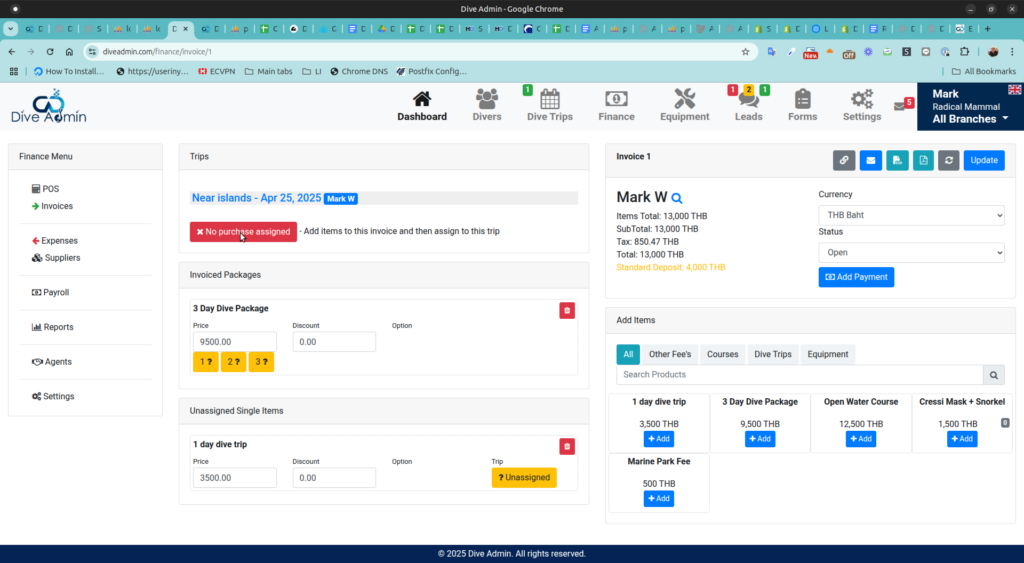
Technology enables this seamless flow. Dive Admin streamlines digital forms and remembers saved preferences perfectly. Imagine a returning guest named Sarah. She books her annual Cozumel trip in under three minutes because your system remembers absolutely everything.

What Kind of Personalized Communication Actually Works?
<b>Common mistake:</b> Sending the exact same blast email to your entire customer list.
Segment your outreach to keep messages highly relevant.
Segment by certification level. Advanced divers should get technical trip invites. Beginners need buoyancy skills workshops.
Segment by interests. Underwater photographers want to hear about new macro sites. Wreck enthusiasts want specialized wreck itineraries.
Segment by recency. Send a customized welcome back offer to long-absent guests to win them back.
Segment by milestone proximity. Congratulate a diver approaching their 50th dive just before it happens.
Generic birthday emails often feel hollow. Try sending a message saying you saved their favorite boat slot for their birthday week instead.
How Do You Build Community Rather Than Just a Customer List?
Customers make transactions. Community members belong. You must cultivate belonging through shared experiences.
Host exclusive member events. Organize invitation-only trips, gear demo nights, or local marine conservation workshops.
Recognize milestones publicly. Hand out custom certificates for a 50th dive. Give a small branded hat or custom logbook page for a 100th dive.
Build a dedicated alumni network. Create a private Facebook group or community forum for repeat guests to share underwater photos and stories.
Maintain staff continuity. The same divemasters and boat crews build genuine friendships with your guests over the years.
Dive centers hosting annual repeater reunions frequently see 60 percent attendance and triple their normal social media shares. According to a 2025 report from the Outdoor Recreation Roundtable, community-driven adventure businesses retain guests twice as long as pure transactional operators.
What Role Does Technology Play in Delivering VIP Treatment?
The paradox of personalized service is that it requires a solid technological backbone.
Manual systems simply can't scale. You can't rely on human memory for 500 different guest equipment preferences. Tracking who is due for milestone recognition gets completely lost in basic spreadsheets. Segmenting communications accurately takes too long by hand.
A modern CRM like Dive Admin handles all the heavy lifting. It provides unlimited secure guest profiles and automated booking history insights. It manages segmentation tags for targeted outreach. The system stores digital waivers and medical forms securely. It also runs accurate reports on your repeat guest percentages and lifetime value.
Technology handles the mundane administrative work. This frees your front desk staff to have genuine, unhurried conversations with guests.
What Are Small Gestures That Create Big Loyalty?
Small actions leave massive impressions on divers.
Leave a handwritten welcome back note at their assigned gear station. Highlight returning guests and their preferences clearly on the morning crew briefing sheet. Place a physical reserved sign on their absolute favorite boat seat. Offer a complimentary nitrox upgrade on a major milestone dive.
Give them a social media shoutout celebrating an achievement with their explicit permission. Give them first access to new exotic trip bookings before opening them to the general public. Send a short anniversary email marking exactly how many years it's been since their very first dive with you.
None of these gestures cost much money. All of them require organized systems to remember the details.
How Do You Measure If Your VIP Strategy Is Working?
You must track specific metrics to see real business results.
Monitor your repeat booking rate. Look at the exact percentage of guests who return within 12 months.
Calculate lifetime value. Compare the average revenue generated per repeat guest against a one-time tourist.
Check your referral rate. See exactly how many new guests come directly from repeat customer recommendations.
Review your Net Promoter Score. Read the honest responses when you ask if they would recommend your shop to a friend.
Track your engagement rate. Compare email open and click rates on segmented emails versus generic mass blasts.
Use CRM analytics, post-dive surveys, and Google Reviews sentiment as your main measurement tools. Healthy dive centers typically see a 30 to 40 percent repeat guest rate annually.
How Do You Start Your VIP Rollout Plan?
<b>Week 1:</b> Audit your current guest data. Figure out what you already know and what information is completely missing.
<b>Week 2:</b> Choose and implement your CRM system. Dive Admin works perfectly for this specific industry need. Import all your existing contacts.
<b>Week 3:</b> Train your staff. Teach them how to capture preferences naturally during check-in and post-dive conversations.
<b>Week 4:</b> Launch your first segmented communication campaign. Test out pre-filled rebooking forms for a small group of returning guests.
<b>Ongoing:</b> Run a monthly milestone check to see who is hitting 25, 50, or 100 dives. Plan a fun quarterly VIP event for your locals.
FAQ
How much does a CRM system for dive centers cost?
Most dive-specific CRM platforms range from $50 to $300 per month depending on features and guest volume. Dive Admin offers tiered pricing with unlimited profiles. The return on investment typically pays for itself if it retains just two or three additional repeat guests per year, given the average diver's lifetime value of $1,500 to $3,000.
What if my dive center is too small to need a CRM?
If you serve fewer than 50 unique guests per year, a well-organized spreadsheet can work. You'll still need secure digital waiver storage and calendar reminders for milestones. Once you cross 100 guests annually, manual tracking becomes error-prone and time-consuming. Even very small centers benefit from automation freeing staff for personal interactions.
How do I get guests to share their preferences without seeming intrusive?
Frame it as customer service rather than data collection. During checkout, ask if you can save their gear sizes so everything is ready next time. Ask what kind of dive sites excite them most so you can let them know when you schedule those exact trips. Most guests appreciate the personalization when the benefit is clear.
What is the number one thing repeat divers say makes them feel like VIPs?
Being remembered is the ultimate VIP experience. In exit surveys, guests consistently rank staff knowing their name and preferences far above discounts or freebies. The emotional impact of a divemaster saying they pulled your usual 5mm wetsuit creates a level of loyalty that basic price cuts can't match.
Can this strategy work for seasonal dive centers with long off-seasons?
Absolutely. Use the off-season for targeted outreach. Send messages asking if they want to reserve their favorite boat slot for May. Send winter content like gear maintenance tips or destination ideas segmented by interest. When the season reopens, guests feel you stayed connected year-round.
From Transactions to Relationships
True VIP treatment is never about vast expenses. It's entirely about dedicated attention and smart systems.
When you make repeat divers feel like VIPs, you transform your entire business model from endlessly chasing new bookings to nurturing a loyal diving family. Start with just one small thing today. Implement guest profiles this week, send one segmented email, or publicly recognize one diver's milestone. The diver who feels completely known ultimately becomes your absolute best marketer.