How Dive Centers Can Create Better Add-On Packages
Picture this. A diver books two tanks. They show up needing gear. Halfway through check-in, they ask about Nitrox. Then they wonder if you have a photographer available. By the time you total it all up, they're overwhelmed by the itemized receipt, and you just spent 20 minutes on check-in.
Most dive centers treat these extras as separate line items. This creates decision fatigue. Smart bundles solve this problem by grouping services into clear, value-driven offerings. This guide shows you how to build packages that improve the customer experience and your bottom line without feeling pushy.
Key Takeaways
- Bundle services around specific diver needs like convenience or education instead of randomly discounting items
- Pair Nitrox certifications with multi-tank packages to extend bottom time and generate immediate course revenue
- Create premium private guide packages with photography to attract customers seeking personalized experiences
- Implement subscription-based loyalty bundles to encourage repeat visits and build a stronger local community
- Use digital booking software to showcase packages clearly and prevent revenue loss from unbilled extras

Why do add-on packages work better than individual pricing?
Consumers perceive bundled offerings as a better value compared to individual items, even when the total price is similar. Bundling removes the hassle of coordinating multiple services. Too many individual choices overwhelm customers, while curated packages simplify the booking process.
They also protect your revenue. Bundling prevents revenue leakage from underpriced or unbilled extras that staff frequently give away. According to 2024 insights from global pricing consultancy Simon-Kucher & Partners, applying behavioral economics to product bundling significantly enhances differentiation in commoditized markets by shifting customer focus from individual price comparisons to overall package value.
Frame packages as solutions to common diver needs like convenience, safety, education, and memory-making. Bundling changes value perception, simplifies decision-making, and protects revenue from hidden giveaways.
What should you include in an all-in-one convenience package?
The all-in-one concept provides everything a diver needs for a seamless day. Traveling divers, infrequent locals, and anyone who doesn't own full gear are your target buyers for this bundle.
Include two or three core dives, full equipment rental, and logistics like lunch or boat transport. Optional value-adds might include locker service, towel rental, or a complimentary dive slate.
Set the package price 10% to 15% below the individual item total. This shows clear savings without destroying your margins. Use value proposition language like, "Everything included so you can focus entirely on the dive."
Create basic and premium tiers based on equipment quality or dive site selection. All-in-one packages should bundle core dives with full rental gear and logistics, priced at a modest discount to demonstrate value and eliminate planning stress.

How can you bundle education with fun diving?
Tie continuing education directly to recreational diving to boost course enrollments. Nitrox is the ideal certification for bundling because it has a low barrier to entry and offers immediate benefits.
Combine a Nitrox certification course with a multi-dive package that includes Nitrox fills. Position this as a way to get more out of every dive by extending bottom time and reducing fatigue. Price the course and dives 15% to 20% below separate purchases.
Consider these alternative bundles:
- Advanced Open Water paired with specialty site dives
- Underwater photography courses with guided photo dives and instructor feedback
- Rescue Diver courses with scenario practice dives
Suggest these bundles to divers who mention fatigue, wanting longer dives, or planning multiple-day trips. Education bundles work best when the certification directly enhances the immediate diving experience.
What makes a premium private guide package worth the price?
Premium packages target divers seeking personalized, stress-free experiences. Honeymooners, anxious divers returning after a break, and underwater photographers readily buy these bundles.
Include these components:
- Dedicated private guide at a low ratio
- Personalized photography package with edited digital photos
- Priority boat boarding and equipment setup
- Pre-dive briefing tailored to guest interests
Typically charge two to three times the standard guided dive rate. You justify the higher price through personalization. Dedicated guides know exactly where to find macro subjects and can assist with camera positioning.
Offer this when guests mention wanting quality photos or celebrating special occasions. Premium packages justify higher prices through strict personalization, making them perfect for milestone celebrations or specialized photography diving.
How do loyalty and subscription packages build repeat business?
Subscription and loyalty packages encourage repeat visits and build a strong local community. According to research published in Harvard Business Review, acquiring a new customer is 5 to 25 times more expensive than retaining an existing one. Retention bundles transform one-time visitors into reliable revenue streams.
Consider these structure options:
- Monthly unlimited diving memberships that include basic rental gear
- Punch cards valid for a year with graduated discounts
- Quarterly passes offering set dive credits and exclusive event access
Frame these packages as membership in a tribe. Include perks like priority booking, Nitrox fills at standard air prices, and invitations to exclusive club events. Underwater cleanups and night diving workshops make divers feel valued.
Subscription packages turn customers into community members while generating predictable monthly revenue and lowering marketing costs.

What technology do you need to make packages easy to book?
Customers overwhelmingly prefer to book entire experiences online. If your package booking requires more than three clicks or custom emails, customers will abandon the cart.
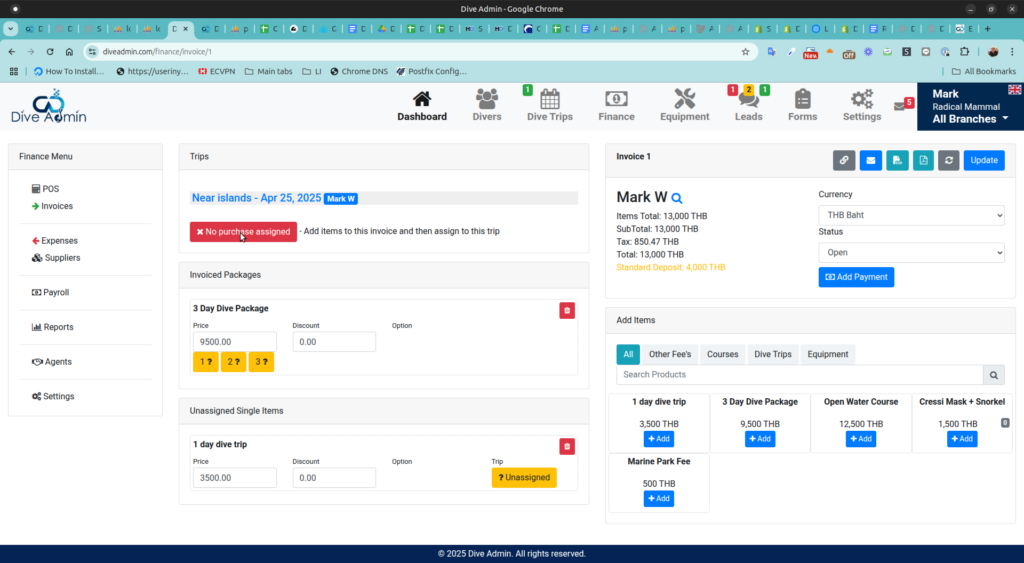
Look for a system that displays clear component breakdowns and allows one-click bundle selection. It should feature automated gear assignment, sizing collection, and integrated payment processing.
Your booking software must show package availability in real-time to prevent overbooking. It should also suggest relevant upsell packages based on initial selections.
Most travel bookings happen on phones. Ensure your packages display clearly on small screens. Invest in booking software that displays packages as single-click options with automatic gear assignment. Clunky digital experiences lose customers to competitors.
How do you recommend packages without sounding pushy?
You're not selling more. You're enhancing the experience. Use a consultative, question-first approach to uncover what the diver wants to achieve on their trip.
Listen for trigger phrases. If they say they get tired easily, recommend the Nitrox bundle. If they say they're celebrating an anniversary, suggest the premium private package. Always recommend based on their stated goals, not your inventory.
> "We are responsible for providing an outstanding customer experience because nobody actually has to go scuba diving. People come to us voluntarily for entertainment and pleasure. If we do not deliver a confidence-building experience, they simply will not come back."
> — Darcy Kieran, Founder of the Business of Diving Institute, <i>Your Career and/or Life as a Scuba Diving Instructor</i> (2026)
Say that based on what they told you, a specific package might work well, rather than telling them what they should buy. Provide an opt-out option so they feel in control.
Ask questions about diver goals first, then frame bundles as helpful solutions. This eliminates the pushy sales feeling entirely.
What are the most common package-building mistakes?
Discounting too heavily devalues your services. Deep discounts of 30% or more make individual purchases seem overpriced. Keep bundles at 10% to 15% below individual pricing and focus on the convenience value instead.
Creating too many options brings back choice paralysis. Offer three to four core packages with clear differentiation.
Don't include low-demand items like promotional merchandise just to move inventory. Review your booking data to see what divers actually buy together.
Generic names like "Package A" tell customers nothing. Use descriptive, benefit-driven names like "Nitrox Mastery Package."
Monitor uptake rates and profitability quarterly. If a package doesn't sell, adjust or replace it. Avoid deep discounts, limit choices, bundle only desired items, and track performance. These mistakes kill profitability.
FAQ: Common questions about dive center add-on packages
How much should I discount bundled dive packages?
Keep package discounts between 10% and 15% below individual item pricing. This demonstrates clear value while maintaining healthy margins. Steeper discounts devalue your services and make individual purchases seem overpriced. Focus on emphasizing the convenience factor. Customers pay for simplified planning and guaranteed availability, not just price savings. Premium packages can maintain even smaller discounts because the exclusive experience justifies the investment.
Which add-ons do divers actually want bundled together?
The most successful bundles pair core dives with practical needs. Equipment rental with transport, Nitrox certification with multi-dive packages, and private guides with underwater photography are proven winners. Review your booking data to identify services frequently purchased together. Avoid bundling promotional items or low-demand services that customers don't naturally want, as this dilutes package value.
How do I convince my team to recommend packages instead of individual services?
Train staff using a consultative approach. Teach them to ask questions about guest goals first, then suggest packages as solutions. Role-play common scenarios so they feel comfortable. Consider commission structures that reward package sales. Most importantly, frame it as improving the customer experience. Staff will embrace recommendations when they see guests appreciating simplified planning.
Should I offer package refunds or modifications if plans change?
Build flexibility into package terms to reduce buyer hesitation. Allow date changes with 48 to 72 hours of notice at no charge. For component swaps, permit exchanges of equal value. For cancellations, consider offering credit vouchers instead of direct refunds. Clear, customer-friendly policies increase package purchases because divers feel less locked into rigid commitments.
How often should I update or refresh my package offerings?
Review package performance quarterly using booking data and customer feedback. Seasonally rotate packages to match demand, such as offering wreck diving bundles in summer. Annually refresh at least one package to maintain novelty and respond to emerging trends. Stale packages signal an outdated operation, while fresh offerings show you're responsive to diver interests.