Smooth Check-Ins for Dive Centers: Why Your First Impression Makes or Breaks Customer Loyalty
<b>TL;DR:</b> A diver's check-in experience shapes their entire perception of your dive center. Smooth check-ins reduce operational chaos, free staff to focus on guest interactions, and build immediate trust in your safety standards. Modern divers expect pre-arrival document uploads, instant confirmations, and zero paperwork scrambles. Centers that streamline these moments see better reviews, higher loyalty, and fewer revenue losses from operational inefficiencies.
Key Takeaways
- First impressions dictate a diver's perception of your professionalism and safety standards.
- Automating paperwork frees your dive pros to focus on guest relationships instead of data entry.
- Mobile-first check-ins eliminate dock-side delays by handling waivers before arrival.
- Digital systems remember guest history to create seamless visits that build brand loyalty.
- Operational errors like double-booked gear cost dive centers significant revenue each season.
The Paperwork Nightmare That Costs You Customers
A diver may remember the manta ray they saw on their first excursion. They will also never forget the frustration of a twenty-minute paperwork nightmare at the dock.
Picture the morning scramble. Clipboards are flying around the boat. Staff members are hunting frantically for certification cards. Guests keep checking their watches.
The check-in moment is the first real test of your dive center's professionalism. It sets the tone for everything that follows.
Why Do Check-Ins Matter So Much For Dive Centers?
Customers form opinions within minutes of walking into your shop. This psychology forms the basis of the first impression economy.
Organized administrative processes signal that you take safety seriously. If your team can't find a certification card quickly, guests might wonder what else slips through the cracks.
Your check-in quality directly impacts your bottom line. Divers compare your operation to the seamless digital experiences they get from modern hotels and airlines. Poor first impressions lead to negative reviews, which directly affect your bookings and revenue.
What Does A Smooth Check-In Actually Look Like?
<b>Before and after:</b> The old way involves whiteboards, paper stacks, and staff hiding behind a desk playing phone tag. The modern standard relies on a tablet dashboard with pre-loaded guest information.

Pre-arrival online booking provides instant confirmation. Guests complete mobile-friendly document uploads for certifications and medical forms before they even arrive.
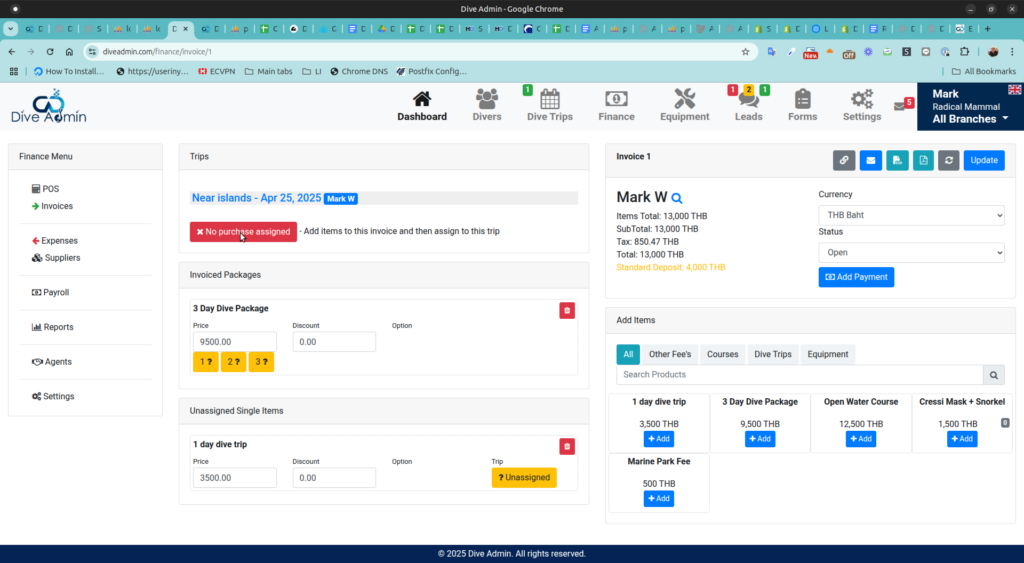
A single dashboard shows who is on the boat, their payment status, and gear assignments. Staff members are finally freed from tedious data entry.
<b>Key takeaway:</b> Automation preserves genuine human interaction by eliminating busywork.
Imagine a returning guest walking in. Your staff pulls up their profile instantly. "Hey Sarah! You're on the morning boat, and your usual wetsuit is ready."
How Do Digital Check-Ins Reduce Staff Stress And Errors?
Dive centers juggling spreadsheets and paper forms face a recipe for mistakes. This whiteboard chaos creates massive stress for your team.
<b>Common mistake:</b> Double-booked equipment, mismatched staff schedules, and lost medical waivers happen constantly with manual systems.
Staff spend almost half their morning on administrative firefighting instead of safety briefings and guest care. This operational noise drains energy.
According to research on consumer behavior in service industries, modern customers have significantly lower tolerance for friction in their experiences. Clunky processes make a business appear outdated and unorganized.
Digital solutions fix this entirely. You get real-time inventory tracking, automatic alerts for missing documents, and unified staff schedules synced across all devices.
What Are Modern Divers Expecting Today?
Today's digital-first clients grew up booking travel on their phones. They expect the exact same convenience from your dive shop.
Key expectations include online booking with calendar availability. They also want mobile-friendly forms without needing a printer, scanner, or fax machine.
Instant confirmation emails are completely non-negotiable. Guests want the ability to upload documents from anywhere to avoid dock-side clipboard surprises.
Competitors are already offering one-click booking. If your shop still relies on phone tag, you will lose business.
Seamless experiences drive repeat bookings. Convenience is directly tied to customer loyalty.
How Does Pre-Arrival Check-In Work?
Leading dive centers now onboard guests completely before they arrive. This shifts the heavy workload away from the busy morning rush.
<b>Step one:</b> The guest books online and receives an automated text with a check-in link.
<b>Step two:</b> They upload certification cards, insurance details, and medical forms via their mobile device.
<b>Step three:</b> The guest reviews and digitally signs all liability waivers.
<b>Step four:</b> They select gear preferences and sizes.
<b>Step five:</b> Staff reviews the submissions ahead of time and flags any issues.
What used to take twenty minutes per guest now takes two minutes. Guests arrive, verify their ID, and walk straight to the boat.
> "The most successful centers are moving away from multiple, disconnected tools toward unified, all-in-one management platforms that connect booking, equipment, staff, and customer data in one dashboard."
> — Sarah Johnston, Director of Operations at the Global Scuba Business Alliance.
Why Is Paper Check-In Actually A Liability?
Paper introduces massive hidden costs to your business. Faded signatures, lost forms, and illegible medical disclosures create a nightmare if an incident occurs.

Boxes of forms are a fire hazard and a water damage risk. They're also a total compliance headache for data privacy laws.
Your staff sinks hours into hunting through filing cabinets and re-entering data manually. Tons of paper waste also ruins your environmental footprint.
<b>Bottom line:</b> Paper is a ticking time bomb for your business.
Digital systems offer secure cloud storage with automatic backups. You get clear audit trails showing exactly who signed what and when.
How Does Check-In Data Create Premium Experiences For Returning Guests?
Digital systems remember absolutely everything. Your database tracks certification levels, gear preferences, previous dive sites, and even birthday months.
Personalization looks effortless in action. You can welcome regulars back and ask if they're ready to try that wreck dive they mentioned last time.
Returning guests feel like VIPs because they don't have to start from scratch. All their gear sizes are pre-loaded.
Studies consistently show that repeat customers spend significantly more than new ones. Building loyalty through personalized experiences directly increases your revenue per customer.
You use data as a tool to delight your guests. It stops being an administrative chore.
What Tools Help Dive Centers Achieve Smooth Operations?
Best-in-class centers use integrated platforms instead of juggling separate booking and inventory tools. This unified ecosystem saves massive amounts of time.
Key features to look for include real-time online booking and mobile-friendly pre-arrival forms. You also need electronic signature capability and a customer database with full history.
Modern systems are strictly plug-and-play. You don't need to be an IT expert to set them up.
Platforms like Dive Admin help centers reclaim their time to focus on the ocean. They consolidate all administrative tasks into one intuitive dashboard.
Making Check-Ins Your Competitive Edge
Check-ins are the frontline of your brand. You need to make them count.
Digital pre-arrival systems save time, reduce errors, and seriously impress your guests. Staff members who are freed from paperwork build much better guest relationships.
Returning guests love the VIP treatment that data enables. Paper is just a liability, while digital operations are safer, faster, and more professional.
<b>Action step:</b> Audit your current check-in process today. Count the minutes and the pieces of paper it takes, then imagine cutting that in half or more.
Your divers come for the ocean. Make sure your check-in process doesn't sink their excitement before they even get wet.
Frequently Asked Questions
How long should a dive center check-in take?
Modern digital check-ins should take two to five minutes per guest on arrival day. Pre-arrival systems let guests upload documents beforehand. This reduces dock-side check-in to a quick ID verification. Traditional paper-based check-ins often take twenty minutes per person and cause massive delays.
What documents do dive centers need at check-in?
Standard documents include valid certification cards matching your dive level and a photo ID. You also need proof of dive insurance, a completed medical questionnaire, and signed liability waivers. Digital systems let you upload these before you arrive.
Can dive centers legally use electronic waivers?
Yes. Electronic waivers with proper signature technology are legally binding in most jurisdictions. They're often more defensible than paper because they include audit trails with timestamps and IP addresses. Always check your local regulations, but electronic waivers are the industry standard today.
Do digital check-ins work for walk-in customers?
Absolutely. Walk-ins can complete digital check-in on a tablet or kiosk at your shop faster than using paper forms. Their information immediately enters your system. Many platforms also offer scan codes so guests can fill out forms on their own phones in your lobby.
How much does dive management software cost?
Pricing varies significantly. Most all-in-one dive management platforms that handle booking, waivers, scheduling, and inventory range from fifty to three hundred dollars per month. The return on investment typically pays for itself within the first month through time savings and fewer booking errors.