Best Dive Destinations for First Ocean Certifications in 2026
<b>TL;DR:</b> The best beginner dive destinations combine calm waters, 15-30 meter visibility, shallow reefs, and professional dive centers. Top picks include Bonaire for shore diving, Koh Tao for budget learners, Bali for accessible wrecks, the Florida Keys for US convenience, and Sharm El-Sheikh for established infrastructure. Choose locations where the environment supports learning, not spectacle.
<b>Key Takeaways:</b>
- Calm conditions and high visibility reduce anxiety and help new divers focus on skills
- Shore diving eliminates boat stress and allows self-paced entries
- Modern dive centers with digital systems like Dive Admin streamline paperwork so you spend more time underwater
- Budget between $800-$2,200 total depending on destination
- 2026 marks PADI's 60th anniversary, making it a milestone year for new certifications
The problem most beginners don't anticipate is choosing a destination based on Instagram photos instead of training suitability. You book a dream vacation only to face strong currents, crowded boats, and chaotic dive shops during your first ocean dives. A student struggling with buoyancy in choppy conditions has a completely different experience than one practicing on a calm, shallow reef.
The environment you choose directly impacts whether you fall in love with the ocean or feel overwhelmed and quit. This year carries special significance because 2026 marks PADI's 60th anniversary, making it a great milestone year for new divers to earn a commemorative certification.
What Makes a Dive Destination Beginner-Friendly?
A destination must minimize physical and mental stress so you can focus entirely on new skills. That's the bottom line.
Calm water conditions are essential. Low or no currents significantly reduce the cognitive load you face during skill practice. High visibility in the 15-30 meter range allows easy instructor contact and reduces underwater disorientation.
Shallow, accessible sites give you extended bottom time to master buoyancy without the pressure of deep water. Professional infrastructure with established dive centers is equally vital. According to the Divers Alert Network 2024 annual report, 73% of certification abandonment occurs due to first-dive anxiety rather than lack of physical skill.
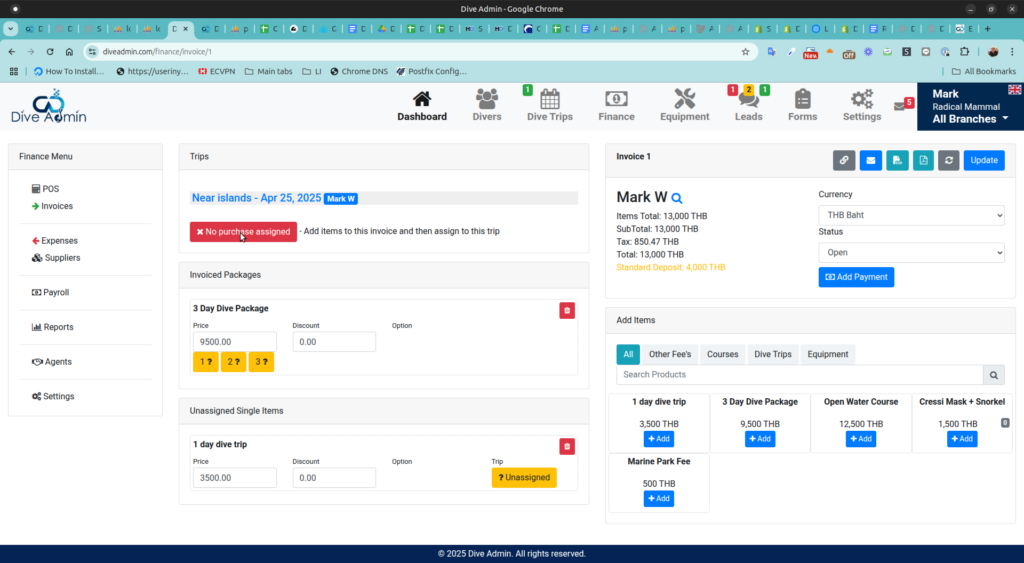
Modern management systems like Dive Admin help eliminate paperwork friction so you can focus on the water.

Top Destinations for First Ocean Certifications
Bonaire: The Shore Diving Capital
You get dozens of marked shore entry sites with no boat dependency. The leeward coast offers year-round calm water and exceptional visibility.
Sites like 1000 Steps or Bari Reef are perfect for checkout dives. The small island layout means you can rent a car and drive right up to the water. Perfect for students who prefer self-paced, low-pressure learning in a mid-range budget destination.
Koh Tao: The Social Learning Hub
This Thai island holds the world's largest concentration of dive schools and is built entirely for beginners. You get protected bays, good visibility, and shallow training sites.
According to the PADI Industry Report 2025, Koh Tao certifies over 50,000 Open Water divers annually, representing nearly 10% of global PADI certifications. Sharing the learning experience with many other new students helps reduce anxiety, and affordable accommodation packages make this the top choice for budget-conscious travelers.
Bali: Easy Wreck Access
The Amed and Tulamben areas offer the rare chance to dive the USAT Liberty wreck right from shore at shallow depths. The black volcanic sand provides excellent contrast for visibility in a calm, protected bay.
> "Tulamben offers beginners the rare opportunity to log their first wreck dive during Open Water training. This builds confidence in navigation without current challenges."
> — Sarah Mitchell, PADI Course Director, Dive Magazine Southeast Asia, 2025
Students wanting a memorable first dive without technical difficulty will love this spot. Just a short transfer from the airport with great tourism infrastructure.
Florida Keys: Domestic Convenience
US residents need no passport to reach these healthy, shallow reefs. You can expect consistent visibility protected by massive outer reef systems.
Sites like Molasses Reef and the Christ of the Abyss statue are iconic checkout locations. You can drive right down the Overseas Highway to access a huge network of year-round dive operators. Active coral restoration sites here also offer a great educational component for eco-conscious beginners.
Sharm El-Sheikh: Infrastructure Excellence
This Egyptian hub boasts decades of established dive industry growth and international safety standards. The Red Sea offers legendary clarity and protected bay sites perfect for practice.
Direct international flights and multilingual instruction make logistics incredibly easy. Sites like Ras Um Sid are ideal for early checkout dives. Brilliant choice for European travelers wanting a highly professional training environment on a reasonable budget.
Why Do Calm Conditions Matter for First-Time Divers?
Learning new skills requires mental bandwidth that currents and chop will quickly consume. That's the core reason.
This relates directly to cognitive load theory. If you're fighting a current, you have less brain power available to remember how to clear your mask. Physical safety also improves because surface recovery and emergency scenarios are vastly simplified.
A study titled "Cognition and Stress in Novice Scuba Divers" published in the Human Factors Journal in 2023 showed significant performance degradation in students facing variable water conditions. Success in calm water creates a positive reinforcement loop that builds confidence. Calmer conditions also allow your instructor to focus strictly on teaching rather than environmental management.
What Should You Look for in a Dive Center?
Look past the pretty photos and evaluate the actual training environment. That's step one.
You want a center with clear certification body affiliation like PADI, SSI, or NAUI. Student to instructor ratios should ideally be 4:1 or better. Ensure the shop has high-quality equipment and properly sized gear available before you book.
Digital infrastructure is a massive indicator of quality. Modern centers using systems like Dive Admin offer seamless waivers, medical forms, and certification tracking. A study on dive center organization quality from the Journal of Adventure Tourism in 2024 directly correlated professional management with higher student completion rates.
Watch out for red flags like overcrowded classes, rushed schedules, and lack of proper pre-dive briefings.
How Much Does a Beginner Certification Trip Cost?
Transparent budget planning prevents vacation sticker shock and hidden fees.
Certification course fees usually range from $300 to $600 depending on the destination. You must also factor in accommodation, flights, equipment rental, and travel insurance with dive coverage. Package deals combining your room and course are usually the best way to save money. Booking during shoulder season also cuts costs significantly.
| Destination | Estimated Total Cost | Budget Profile |
| Koh Tao | $800 – $1,200 | Budget-friendly |
| Florida Keys | $900 – $1,500 | Domestic value |
| Bali | $1,000 – $1,600 | Affordable luxury |
| Sharm El-Sheikh | $1,100 – $1,800 | High value |
| Bonaire | $1,500 – $2,200 | Mid-range |
When Is the Best Time to Get Certified at Each Destination?
Seasonal planning ensures you get optimal water conditions for your checkout dives.
Bonaire is great year-round, but the dry season from January through August is truly ideal. Koh Tao shines from November through May, though you should avoid monsoon season from July through October. Bali offers its best visibility during the dry season from April through November.
The Florida Keys are perfect in spring and fall to avoid summer crowds and cold winter winds. Sharm El-Sheikh is best visited in spring or autumn to avoid extreme summer heat. Always check water temperature ranges to see what thickness wetsuit you'll need for comfort.
Shore Diving vs Boat Diving for Beginners: Which Is Easier?
Don't assume all boat dives are luxurious and easy for new students. That's a common mistake.
Shore diving offers self-paced entry with no boat boarding stress. You also get immediate surface access if you need to stand up and adjust your gear. Boat diving introduces challenges like climbing ladders in heavy gear and dealing with surface intervals on rocking decks.
Boats do work well when conditions are perfectly calm and the shop uses a dedicated training vessel. Bonaire and Bali are heavy on shore diving, while Koh Tao uses a comfortable mix of both. The Keys and Sharm El-Sheikh rely almost entirely on boats. Consider your own mobility and susceptibility to seasickness when making your choice.

How Do Digital Systems Improve Your Certification Experience?
Paperless systems give you more ocean time and less desk time. That's the tech advantage.
Traditional pain points for new divers include filling out paper waivers, losing medical forms, and experiencing certification tracking delays. Digital solutions allow for pre-arrival form completion so you're ready to go before you even pack your bags.
Dive Admin specific benefits include completely paperless administrative processes and streamlined booking workflows. When a shop uses this kind of professional software, it shows they take their business and your safety seriously. You get instant access to your certification cards and digital logbooks without hassle.
FAQ
Can I get certified if I'm not a strong swimmer?
Yes. You're required to complete a basic 200m swim and a 10-minute float, which most people achieve with basic competence. Destinations with calm, shallow shore entries make water confidence much easier to build. Many dive centers even offer pre-certification swim assessments and coaching to help you prepare.
How long does a first ocean certification take?
Most Open Water certifications take three to four days. This typically involves two days of confined water pool training followed by four ocean checkout dives over the final two days. Some destinations offer flexible scheduling or online learning options that reduce your in-person time considerably.
What if I panic during my first ocean dive?
Professional instructors are trained heavily in anxiety management. You can always pause, surface, and retry skills without any penalty. Choosing calm water destinations dramatically reduces panic triggers right from the start. Most moments of anxiety resolve quickly with slow breathing and instructor reassurance.
Do I need to buy equipment before getting certified?
No. Rental gear is included in almost all certification courses. You might only want to invest in a personal mask and possibly fins after confirming you actually enjoy diving. Full equipment purchases should wait until after you're certified and understand your personal diving style.
Will I see marine life during certification dives?
Yes, though your certification focuses heavily on skills rather than sightseeing. Destinations naturally include marine encounters during checkout dives. Instructors balance strict skill practice with allowing you to look around and enjoy the underwater environment.
Ready for Your First Breath Underwater?
Choosing the right destination transforms your certification from a stressful ordeal into a foundational adventure. The destination you choose shapes your entire future in the sport.
Choose a location based on conditions, research dive centers with modern systems, and book during off-season for smaller classes. Trust the process because millions of people certify successfully every year. Modern dive centers using professional management systems ensure your focus stays exactly where it should be: on the ocean, not the paperwork.
<i>At Dive Admin, we support dive schools in providing seamless, world-class experiences for new divers by digitizing operations from booking to certification.</i>