How to Sell Dive Refreshers Without Sounding Pushy
<b>TL;DR:</b> The secret to selling dive refreshers is reframing them as confidence-building sessions instead of mandatory courses. Use coaching language like "Skill Tune-Up," time your offers based on booking history, bundle sessions into trip packages, and emphasize enjoyment over compliance. This approach normalizes rustiness, builds trust, and positions refreshers as trip insurance rather than judgment.
<b>Key Takeaways:</b>
- Replace "course" terminology with "Skill Tune-Up" or "Confidence Session" to reduce anxiety
- Time offers strategically using personalized reminders, not generic blasts
- Bundle refreshers into packages so they feel like care, not upsells
- Frame safety as freedom and enjoyment, not rules and threats
- Use CRM tools to automate personalized outreach at scale
Picture this. A certified diver walks into your shop to book a trip. They got their Open Water certification three years ago and haven't touched a regulator since. You suggest a refresher session. They stiffen. "I'm already certified," they say with a hint of defensiveness.
You just hit the pushy sales alarm.
This happens daily in dive centers worldwide because refreshers often feel like judgment or upsells. Divers hear "you need a refresher" and assume you think they're not good enough.
There's a better way. Shift your language from compliance to confidence. Help divers feel excited about sharpening their skills. You'll sell refreshers easily while building trust.
This guide explores friendly strategies to frame these sessions as positive steps that improve safety, enjoyment, and your long-term customer relationships.
Why do divers resist refresher courses?
Certified divers feel confident in their C-card. They earned it. But when you tell them they need a refresher, psychological barriers pop up instantly.
<b>Fear of judgment.</b> Divers worry they'll look incompetent or face a test they might fail.
<b>Cost sensitivity.</b> After spending on initial training, gear, and travel, another charge feels like nickel-and-diming.
<b>Overconfidence bias.</b> Many think they remember everything even when years have passed.
Here's the reality. Muscle memory degrades without practice. Even experienced athletes need warm-ups. According to PADI's 2024 annual industry report, 62% of certified divers don't log a dive within 12 months of certification. Another 40% cite feeling rusty as a barrier to rebooking.
Frame the resistance as protective. Divers want to feel ready. They just don't want to feel inadequate.
How can you shift language from "course" to "confidence session"?
Words matter heavily in sales. "Course" implies tests, failure, and obligation. Drop it entirely from this pitch.
Use coaching language instead. Try "Skill Tune-Up," "Dive Ready Session," "Personalized Prep," or "Confidence Booster." People respond better to gaining something positive than fixing a deficit.
Look at modern coaching trends in adventure sports. Yoga, skiing, and surfing all use tune-up language to encourage practice without pressure.
<b>Before and after examples:</b>
Poor approach: "You need a refresher course before we can take you out."
Better approach: "We'd love to do a quick pool session with you so you feel totally confident and enjoy every moment of your dive."
> "The word 'refresher' has baggage. When we switched to calling it a 'Dive Confidence Session,' our bookings doubled. Same content, better vibe." — Melissa Carter, PADI Course Director, Blue Horizon Dive Center, interviewed in DIVER Magazine, 2025

When is the best time to offer a refresher without being pushy?
Timing dictates whether your offer feels helpful or aggressive. Automated, personalized nudges work best.
Imagine a diver books a liveaboard six months out. Don't wait until check-in day to bring up their rusty skills. Send a friendly email two months before the trip. Ask if they want a quick skills session so they can hit the water confident and relaxed.
<b>Act as a concierge.</b> Position yourself as a helpful advisor. Ask about their next trip and what they're most excited to see.
<b>Offer the tune-up as part of their plan.</b> Suggest it naturally when they inquire about gear rentals. Mention they can test their rented equipment in the pool while reviewing basic skills.
Avoid last-minute surprises. Springing a requirement on someone the day of the dive feels like a shakedown. According to Divers Alert Network's 2025 business practices survey, dive shops operating on a service-first model prioritize proactive communication over reactive gatekeeping. This builds trust long before the diver arrives at the boat.
What should you actually say to a hesitant diver?
Your exact phrasing can make or break the sale. Normalize their situation first. Tell them most divers feel rusty after a break.
<b>Script for the rusty diver:</b> "It's totally normal to feel a bit out of practice. We want you to have the best dive possible. Let's do a quick tune-up so you're set up for success."
<b>Script for the overconfident diver:</b> "Think of this as trip insurance. It's way easier to dial in your buoyancy here in the pool than to struggle 60 feet down on your dream dive."
<b>Script for the budget-conscious diver:</b> "We really recommend a session to make sure you get your money's worth on the actual trip. The safer you feel, the more you can relax and enjoy the experience."
Keep it conversational. Asking how they feel about their buoyancy works better than telling them they need to work on it. Make it an invitation, not a mandate.
Why does reframing safety as enjoyment work better?
Divers are motivated by joy, adventure, and marine life. They're rarely motivated by rule-following or strict protocols.
When you lead with safety, people hear they're in danger or doing something wrong. When you lead with confidence and enjoyment, they hear you want them to have an amazing time.
People respond to positive outcomes rather than threat avoidance. A diver worried about their air consumption won't remember the sea turtle they just saw.
According to a 2023 study published in the Journal of Outdoor Recreation and Tourism, adventure sport participants ranked confidence in ability as the number one predictor of repeat participation. It ranked above cost, convenience, and safety concerns.
A confident diver enjoys the reef. They come back for more trips and bring their friends.

How can you bundle refreshers into packages without it feeling like an upsell?
The secret to pricing these sessions is simple inclusion. Make the refresher part of a trip package, gear rental, or annual membership.
<b>Value framing.</b> Say something like, "This package includes two boat dives, gear, and a personalized skill session to make sure you're trip-ready, all for a flat rate."
<b>Tiered options.</b> Offer a basic trip package and a premium confidence package that includes the tune-up.
<b>Loyalty perks.</b> Offer complimentary check-ins for repeat customers as a welcome back gift.
Customers don't mind paying for value. They just mind feeling like you're finding excuses to charge them more. Bundling eliminates that friction entirely.
What are the long-term benefits of a coaching-first refresher model?
This approach is a big-picture business strategy. Shifting to a coaching model increases your customer lifetime value. Confident divers book more trips, buy more gear, and refer their friends.
Well-prepared divers also mean fewer incidents. Your daily operations run smoother and safer as a result.
In a crowded market, dive shops that visibly care about the customer experience always win. A diver who felt supported will rave about you online. Acquiring a new diver is expensive, but keeping one is cost-effective.
> "Shops that treat every interaction as coaching, not selling, see 30 to 40% higher rebooking rates. It's the difference between a transactional business and a relational one." — Tom Hayes, CEO, Dive Business Academy, speaking at DEMA Show 2026
How does technology help you deliver personalized offers?
You might wonder how to scale this level of personalization. A customer relationship management system solves this problem.
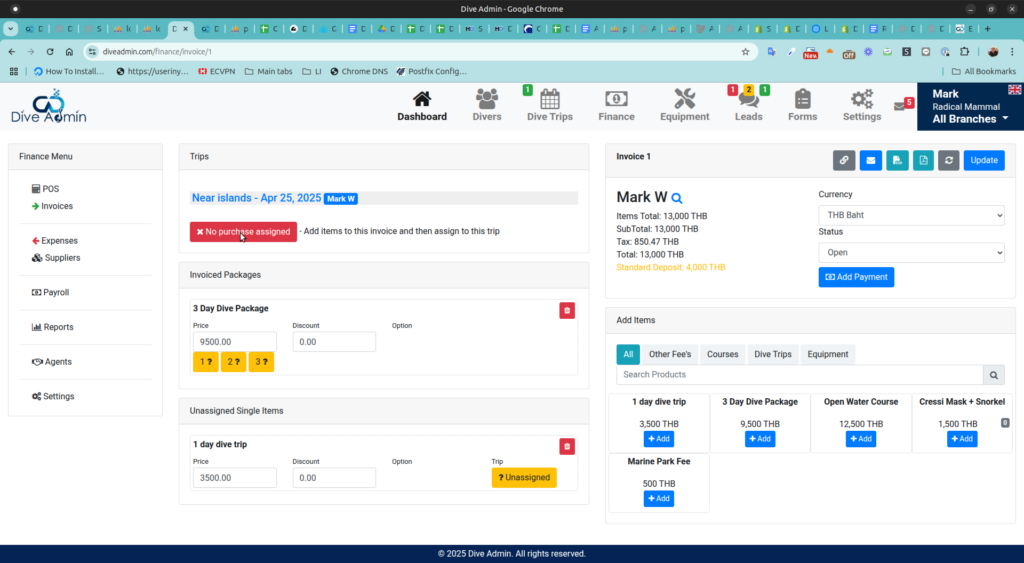
Software like Dive Admin tracks the last dive date, certifications, trip bookings, and gear preferences of every customer. It sends timely, personalized nudges without requiring manual work from your staff.
<b>Actionable use case:</b> Automatically flag divers who haven't logged a dive in over a year. The system then sends a friendly email asking if they want to shake off the rust.
You can segment messaging based on diver type. A rusty beginner gets a different message than a returning advanced diver. Automation makes personalization scalable. You stay warm and consultative without drowning in paperwork.
FAQ
How much should a scuba refresher course cost?
Most dive shops charge $75 to $150 for a two to three-hour pool-based refresher. This depends on your location and whether gear is included. Bundling it into trip or gear packages can increase perceived value and reduce sticker shock.
How long does a scuba refresher take?
A typical session takes two to three hours. This includes 30 to 45 minutes of knowledge review and 60 to 90 minutes in the pool or confined water. Some shops offer express 90-minute sessions for divers with recent experience.
Do I legally need a refresher if I'm already certified?
No certification agency requires refreshers by law. However, dive operators strongly recommend one if you haven't dived in six to 12 months. It's entirely about safety and confidence, not legal compliance.
What's the difference between a refresher and a scuba review?
They're the same thing. PADI calls it ReActivate or Scuba Review. SSI calls it a Scuba Skills Update. They all focus on practicing core skills in a low-pressure environment.
How do I know if I need a refresher?
If you feel nervous about buoyancy, mask clearing, or regulator recovery, a refresher is a good idea. If it's been more than a year since your last dive, a tune-up will help you feel confident and enjoy your next dive much more.