Pre-Arrival Checklist for Traveling Divers: How to Eliminate Chaos and Reduce No-Shows
A comprehensive pre-arrival checklist for traveling divers eliminates front-desk bottlenecks and reduces no-shows by up to 30 percent. Gathering data automatically ensures every guest arrives prepared with proper certifications, gear sizes, and signed waivers. Sending educational prep materials and clear confirmations transforms anxious travelers into confident guests. Tools like Dive Admin digitalize these steps, turning the pre-arrival phase into a streamlined experience that boosts safety and positive reviews.
<b>Key Takeaways:</b>
- Automated pre-arrival checklists reduce no-shows by up to 30 percent
- Collecting certifications and medical forms before arrival prevents day-of delays
- Sending prep emails with local conditions sets professional expectations
- Clear confirmation messages with meeting points reduce customer confusion
- Dive management software handles automated reminders and digital waivers seamlessly
It's 7:45 AM. Your first boat leaves at 8:30, and there's a line of five traveling divers at your front desk.
One forgot their certification card. Another didn't know they needed a medical form. A third is surprised you don't include lunch. Meanwhile, your staff is frantically photocopying documents and fitting rental BCDs.
These problems should have been handled days ago.
Most dive centers treat the pre-arrival phase as a single confirmation email. That's a mistake. Traveling divers arrive with genuine anxiety about unfamiliar gear setups and local conditions. Unanswered questions set up both your team and your guests for a stressful start.
A well-designed pre-arrival checklist prevents chaos. It builds trust, improves safety, and boosts your bottom line. Let's look at how to build a system that actually works.
Why Does a Pre-Arrival Checklist Matter for Dive Operations?
Pre-arrival checklists are profit-protecting systems that separate professional operations from chaotic ones. They improve safety, efficiency, and customer satisfaction before a diver even arrives.
Clear communication equals commitment. When divers invest time completing forms, they're less likely to ghost your business. According to research published in Health Informatics Journal in 2019, automated reminder systems reduce appointment no-shows by up to 30 percent.
Front-desk time savings average 10 to 15 minutes per diver. Staff can focus on experience quality rather than chasing paperwork. Knowing exact gear needs allows for proper inventory allocation.
Pre-verified certifications prevent unqualified divers from getting underwater. Medical screening happens early, giving staff time for proper review.
> "Good physical and mental health is a prerequisite for anyone planning to scuba dive. A fitness to dive certificate for those willing to participate in recreational diving ensures safety for both the individual and the dive group."
> — Jarosław Krzyżak, MD, Researcher, International Maritime Health
Customer anxiety about what to expect drops significantly. When divers feel prepared, their overall experience rating increases before they even step on the boat.
What Information Should You Collect Before Divers Arrive?
The information-gathering phase should happen within 48 hours of booking. Excitement is high, and details are fresh.
Build a diver qualification profile. Collect the certification agency, level, and card number. Ask for the date of their last dive and their total logged dives.
Assess physical and medical readiness. Send a digital liability waiver. Require a medical questionnaire and flag conditions requiring physician clearance. Gather emergency contact information.
Confirm logistical details. Ask for exact arrival and departure dates. Get their accommodation name and location. Note any transportation needs or dietary restrictions.

Log equipment requirements. Ask about full rental needs versus bringing personal gear. Request specific sizes for wetsuits, BCDs, and fins.
<b>Pro tip:</b> Use conditional logic in your forms. If someone indicates they're a beginner with their last dive two years ago, automatically flag them for a refresher course.
How Do You Prepare Traveling Divers Before They Leave Home?
The best dive centers send a preparation package five to seven days before arrival. This sets professional expectations and calms travel nerves.
A good prep email includes a gear check reminder. Tell divers bringing equipment to inspect O-rings, battery levels, and regulator function. Suggest a save-a-dive kit.
Remind guests about administrative readiness. Provide direct links to outstanding digital forms. Ask them to bring physical certification cards and photo IDs. State payment details clearly.
Provide site-specific context. List current water temperatures and recommended wetsuit thickness. Note typical visibility ranges and marine life currently being spotted. Explain local regulations like marine park fees.
Share practical travel tips. Include a meeting point with a Google Maps link. Explain parking information or public transport options. Tell them what time to arrive and what to bring.
Cozumel Dive Paradise sends a prep email exactly five days before arrival. They include water temperature, marine sightings, and a gear checklist. Their check-in time dropped from 18 minutes to seven minutes per diver after implementing this.
What Are the Essential Elements of a Great Confirmation Message?
Your confirmation is your guest's reference document. It needs to be crystal clear.
The basics must be ultra-clear. Include the date, day of the week, and exact time. State the duration of the activity. Describe the meeting location with a landmark.
Create a visual list of inclusions and exclusions.
| Included | Not Included |
| All dive equipment | Marine park fees |
| Two-tank boat dive | Lunch |
| Drinking water | Underwater photos |
| Tank and weights | Nitrox upgrades |
Policy clarity prevents arguments later. Write cancellation terms in plain English. State if there's a full refund for canceling 48 hours ahead or a 50 percent refund for a 24-hour notice. Explain your weather cancellation policy.
List pre-arrival action items. Ask them to complete the digital waiver, medical form, and equipment size survey. Request a photo of their certification card.
Provide reliable contact information. Give a direct WhatsApp number for day-of questions. List office hours for non-urgent matters.
How Can Dive Management Software Automate This Process?
Creating a great pre-arrival experience manually is painful. Managing it across dozens of monthly guests requires dedicated software.
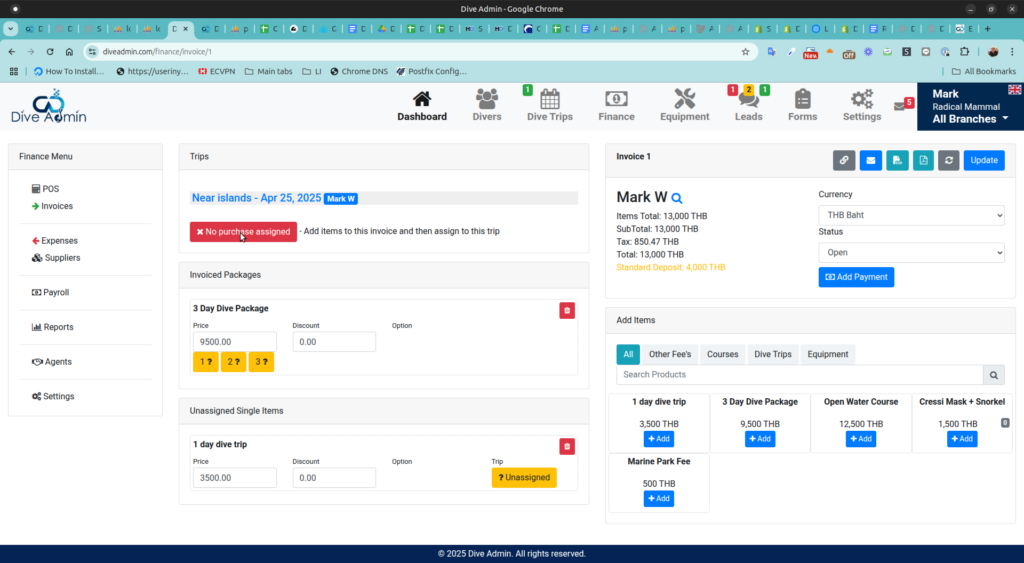
Dive management platforms automate communication sequences. Dive Admin triggers confirmation emails immediately upon booking. It sends preparation emails at preset intervals and reminds guests about incomplete forms.
Digital document management saves massive amounts of time. The software hosts waivers and medical forms with electronic signature capability. It verifies certification expiration dates and creates digital diver files accessible boat-side.
Equipment allocation becomes completely automated. The system tracks rental gear inventory in real time. It auto-assigns equipment based on size data collected during booking.

Integration benefits simplify daily operations. The software syncs with payment processors and calendar systems. It generates accurate manifests for Coast Guard compliance.
A center running 200 dives a month typically saves 15 to 20 admin hours per week using Dive Admin. Staff can redirect those hours to guiding, teaching, or customer service.
What Are Common Pre-Arrival Mistakes Dive Centers Make?
Even well-meaning dive centers sabotage their own pre-arrival process. Small errors create major bottlenecks at check-in.
Information overload confuses guests. Sending massive essays about dive theory will cause readers to skip the email entirely. Keep emails scannable with bullet points and bold headers.
Poor timing ruins communication. Sending prep info three weeks out guarantees it gets forgotten. Sending it one day out is too late. Stagger your emails strategically.
Vague language leads to lost divers. Don't just say to meet at the marina. Say to meet at Sunset Marina, Dock C, Slip 12, next to the coffee shop at 7:45 AM sharp.
Failing to follow up on incomplete items is risky. Requesting forms but never checking if they're submitted defeats the purpose. Use automated reminders for missing documents.
Using a one-size-fits-all approach frustrates experienced divers. Segment communications based on experience level. Beginners need reassurance and step-by-step guidance. Advanced divers just need concise technical specs.
How Does This Actually Reduce No-Shows and Cancellations?
Pre-arrival checklists are powerful psychological commitment devices. They turn a casual booking into a firm plan.
Each completed form increases psychological investment. When a diver spends time doing paperwork, they're much more likely to show up. It creates momentum toward the actual dive.
Clarity reduces anxiety-based cancellations. Many cancellations stem from uncertainty rather than genuine scheduling conflicts. Clear updates about sea conditions prevent surprise dropouts.
According to Konfidens scheduling research from 2025, establishing clear cancellation policies lowers no-show rates by 14 percent. Collecting pre-payment or deposits during the confirmation phase solidifies the booking. Clear cancellation policies deter casual bookings.
Multiple touchpoints serve as natural reminders. The confirmation email books the mental space. The prep email triggers travel planning. The final reminder prevents forgetfulness.
Early problem identification protects your schedule. If someone ignores multiple emails, you know days ahead of time. You have time to resell the spot rather than discovering a no-show at the dock.
What Does the Streamlined On-Site Arrival Process Look Like?
If you've done pre-arrival right, actual arrival is a breeze. The check-in process becomes a quick verification rather than a paperwork nightmare.
Complete a quick verification in three minutes. Check their physical ID and certification card. Confirm all digital paperwork is signed. Ask if there are any changes to their medical status.
Execute a fast equipment handoff. Pre-assigned rental gear should be ready and waiting. Do a quick fit check and show them the personal gear staging area.

Deliver the final briefing. Discuss dive site specifics for the day and assign buddies. Review boat procedures and allow time for questions.
Total check-in time drops to 15 minutes instead of 45. Returning guests check in even faster because their profile is already on file. You can greet them by name and ask about their last trip.
Instead of frantically photocopying documents, your team greets guests warmly. They can offer coffee and focus on relationship building. These human touches are what earn five-star reviews.
FAQ
How far in advance should I send the pre-arrival prep email?
Send your detailed preparation email five to seven days before the dive date. This gives traveling divers enough time to pack specific gear, review local conditions, and complete any outstanding medical forms before they leave home.
Can I legally accept digital signatures for liability waivers?
Yes, digital signatures are legally binding in most jurisdictions when collected through compliant software. Using a platform like Dive Admin ensures your waivers meet standard electronic signature requirements and are securely stored for liability protection.
What should I do if a diver refuses to fill out the pre-arrival forms?
Make it clear in your confirmation that completing the forms is mandatory for participation. If a diver ignores automated reminders, call them 48 hours before the dive to explain that safety regulations require the paperwork before they can board the boat.
How do I handle medical conditions flagged on the digital form?
When a digital form flags a "yes" answer on the medical questionnaire, contact the diver immediately. Provide them with the standard medical clearance form to take to their physician. Doing this days before arrival prevents the diver from being turned away at the dock.
Will sending too many emails annoy my customers?
Not if the emails contain valuable, necessary information. Staggering three concise messages (a booking confirmation, a prep guide, and a final reminder) actually reduces anxiety. Customers appreciate knowing exactly what to expect.