Returning Divers Want Recognition, Not Discount Codes
Returning divers in 2026 want personalized experiences, not generic promotional codes. Dive centers must recognize certifications, track gear preferences, and offer curated trip recommendations. By maintaining accurate customer records and automating administrative tasks, centers build genuine loyalty. This approach improves retention, which is significantly cheaper than acquiring new customers. Tailored follow-ups and frictionless check-ins ultimately drive more bookings and reduce administrative burdens for staff.
Key Takeaways
- <b>Personalization over price:</b> Divers value being remembered more than getting a discount.
- <b>Data fuels service:</b> Integrated software removes check-in friction and tracks dive history.
- <b>Retention saves money:</b> Keeping an existing customer is highly cost-effective.
- <b>Speed wins bookings:</b> Fast, tailored responses secure more repeat trips.
The Forgotten Familiar Face
Imagine a diver who completed fifteen dives with your center over the last two years. They walk through your doors for their next vacation. Your staff hands them a blank medical form. You ask for their certification level. You treat them exactly like a complete stranger walking in off the street.
This recognition gap kills loyalty in the dive industry today. Returning divers expect the service quality they receive from airlines, hotels, and their favorite local coffee shop. They want to be known and valued.
In 2026, returning divers demand personalized experiences. They are done with generic promotional codes. A blank form and a generic greeting tell them their past business meant nothing to you. We'll explore what returning divers actually want and how modern dive centers can deliver exceptional service by recognizing the faces that keep their boats full.

What Do Returning Divers Actually Want From Your Dive Center?
The scuba diving industry is undergoing a massive shift. We're moving away from volume-based business models toward value-based relationships. Returning divers want much more than a cheap thrill. They expect recognition, convenience, and curated experiences.
How does recognition change the diver experience?
Staff should know certifications without asking. Returning divers love when you remember their equipment preferences and past dive sites. A simple greeting by name as they step onto the boat creates an instant emotional connection. Recognition validates their choice to return to your specific shop instead of trying a competitor down the beach.
Why is convenience non-negotiable?
Customers hate repeating paperwork. Past customers need a streamlined booking process that respects their time. Quick check-ins get them out of the lobby and onto the boat faster. When you make the administrative side effortless, the diver begins their vacation the moment they arrive. Frictionless service is the ultimate luxury in modern travel.
What makes an experience curated?
You must suggest personalized dive sites based on their past logbooks. Recommend relevant courses based on their specific certification timeline. Offer equipment upgrades that match their unique diving style. A curated experience feels like a tailored suit. It fits perfectly and makes the customer feel special.
Why Is Customer Recognition So Valuable in the Dive Industry?
Competition is fierce in a rapidly expanding market. According to Fortune Business Insights (2024), the global diving tourism market is projected to grow at a CAGR of 11.86 percent through 2032. You lose valuable loyalty opportunities when you fail to recognize a guest. This forces you to spend expensive marketing dollars to replace them.
Word of mouth from loyal customers remains your most powerful marketing tool. The moments that truly matter happen at check-in, boat loading, and post-dive debriefs. These touchpoints define the entire customer journey.
According to Harvard Business Review research, acquiring a new customer costs five times more than retaining an existing one. Failing to recognize a returning diver resets the relationship to zero. It feels exactly like a hotel loyalty program wiping your status every single time you book a room. You alienate your most profitable demographic. A known customer spends more on retail, tips better, and brings friends. Recognizing them protects your bottom line.

How Do Customer Records Transform Repeat Business?
Records provide the actual fuel for human connection. They're not simply compliance documents meant to collect dust in a filing cabinet. Your data strategy directly impacts your customer service quality.
What builds your single source of truth?
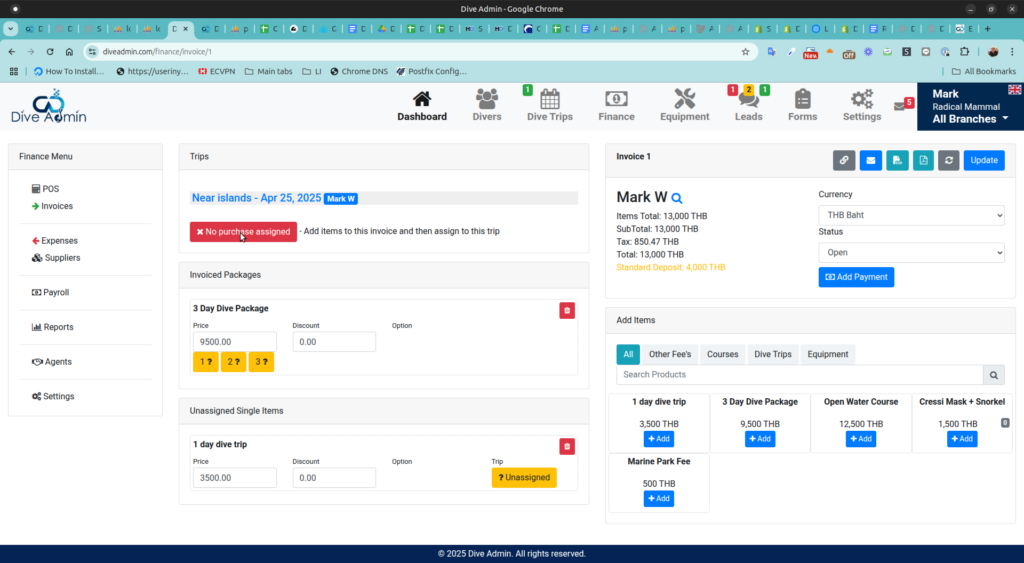
Track certifications, medical forms, equipment sizes, and special interests. Integrated software matters much more than disorganized paper files. Using centralized platforms like Dive Admin brings all customer profiles into one accessible place. This single source of truth prevents embarrassing service failures. Any staff member can pull up a profile and instantly become an expert on that specific guest.
How do you make proactive recommendations?
If a diver finished their Open Water course eighteen months ago, suggest an Advanced Open Water class. It feels natural. Use their dive history to suggest wreck, night, or photography specialties. Let their equipment rental history inform your retail purchase recommendations. When you base offers on real data, you stop selling and start advising.
How do you remove friction from the experience?
Pre-fill medical forms for returning customers. Keep equipment preferences on file so their exact gear configuration is waiting on the boat. This level of preparation stuns guests. Dive centers using integrated management software report smoother operations and more time for customer interaction.
What Makes a Follow-Up "Smart" Instead of Spammy?
Generic email blasts annoy people. Behaviorally triggered communications build real relationships. You must treat your inbox outreach with care.
How is post-trip engagement done right?
Send photos from their specific trip. Reference the exact dive sites they just explored. Ask about specific marine life they saw. Follow up within forty-eight hours while the memory remains vivid. This approach turns a basic thank you note into a genuine conversation.
Why does the first reply rule matter today?
Speed still dictates success in the age of instant messaging. The first useful reply often determines which operator secures the booking. Combine speed with deep personalization to win the reservation every time. Don't rely entirely on rigid templates. Add a sentence about their last visit to prove a human is reading their message.
Which behavioral triggers show you care?
Send simple, genuine birthday messages. Set up certification anniversary reminders to celebrate their progress. Provide weather and visibility updates when their favorite dive site looks perfect. These small behavioral triggers prove you view them as a person rather than a transaction.
How Does Software Enable Personalization Without Adding Work?
Software handles the memory work so your staff can focus purely on human connection. Dive center owners frequently become frustrated administrators instead of passionate experience providers. Automating boat lists, scheduling, and payroll gives you back your time.
Staff time spent chatting with guests drives customer satisfaction much more than organizing paperwork does. Integrated systems like Dive Admin connect bookings directly to customer history. Staff can check customer preferences on the dock using mobile devices.
The process works like this: The software gathers data automatically during normal daily operations. This data instantly becomes pre-filled information for future bookings. Employees use their freed-up time for memorable personal interactions. Your customer service improves without increasing your labor costs.
You no longer have to choose between operational efficiency and high-touch service. Technology bridges that gap completely.
Building Loyalty in a Competitive Market
The diving market is expanding rapidly. Multiple operators are competing for the exact same customers in every major destination. You must differentiate your business through service rather than just price.
Great operations act as a hidden engine for great experiences. You must move your business from a transactional mindset to a relational model. Focus on lifetime customer value instead of single ticket sales. A diver who visits once pays the bills, but a diver who returns yearly builds your legacy.
> "We, as an industry, are experiencing tremendous change. We are seeing shifts in training, dive vacation habits and dive equipment purchasing patterns that all point to seismic shifts in our dive consumer base."
>
> — William Cline, Publisher at Scuba Diving Industry Magazine and President of Cline Group
FAQ: Creating Loyalty Beyond the Discount
How much does it cost to retain a customer versus acquire a new one?
Retention is about five times cheaper than acquisition. You spend zero marketing dollars trying to find them. Returning guests have higher conversion rates and typically make larger average bookings. They already trust your operation.
What customer information should dive centers actually track?
You should track certifications, medical form history, and equipment sizes. Past dive sites, course history, and emergency contacts are also essential. This balances useful service details without becoming invasive.
Do discount codes actually build customer loyalty?
No. Discount codes build price sensitivity instead of brand loyalty. They provide a short-term incentive but fail to build any lasting relationship. Recognition and convenience consistently work much better for long-term retention.
How quickly should dive centers respond to returning customer inquiries?
Your first reply should happen within two to four hours during normal business hours. Include a personalized detail from their history. The first genuinely useful reply almost always secures the booking.
Can small dive centers compete with larger operators on personalization?
Yes. Small centers actually possess a massive advantage here. A smaller roster makes it much easier to remember individual quirks. Modern software levels the playing field for managing those vital records effectively.
Wrap Up: Recognize, Don't Just Record
Data must serve human connection. Returning divers want recognition, true convenience, and carefully curated experiences. The market is growing rapidly, but loyal customers remain your most profitable and reliable segment.
Evaluate your current customer experience from a returning diver's perspective today. Consider tools like Dive Admin that make seamless personalization possible without adding a heavy administrative burden. The best marketing is a customer who feels truly known and valued by your entire team. When you prioritize relationships, the revenue naturally follows.