Stop Losing Dive Students Before They Ever Get Wet
A potential student browses your website, gets excited about learning to dive, fills out an inquiry form, and then vanishes. This silent leak costs dive centers more revenue than almost any other operational problem. Industry research reveals that more divers drop out annually than get certified, with a huge chunk of losses happening before training even begins. The good news? Streamlined booking, automated communication, and professional admin systems can plug this leak and dramatically improve enrollment.
<b>Key Takeaways:</b>
- Pre-course dropout happens when students abandon courses after showing interest but before the first pool session
- Complex booking and delayed responses directly hurt conversion rates in an instant-gratification world
- Automated communication between booking and Day One can increase enrollment rates by up to 38%
- Every lost student represents wasted marketing spend plus the lifetime value of a certified diver
- Professional administrative systems build essential trust before students enter the water
The Silent Leak in Your Dive Business Pipeline
Dive centers obsess over in-course retention and continuing education. We constantly think about keeping certified divers active. But we miss the invisible problem happening upstream.
According to the ScubaGuru 2026 Industry Status Report, dropout happens in three distinct phases: pre-course, during the course, and post-course. The pre-course phase remains the most overlooked leak in the pipeline. It's solvable, business-critical, and requires minimal effort once you understand where students fall off.
Why Do Students Abandon Dive Courses Before Starting?
A massive confidence gap exists between initial interest and final commitment. The psychological journey moves from excitement to questions, which quickly turns into doubt. If left unmanaged, that doubt becomes abandonment.
What Causes Logistical Overload?
Beginners face a mountain of intimidating questions. When do I show up? What gear do I need? Are there hidden costs? How much time will this take?
When these questions go unanswered, decision paralysis sets in. A customer wondering whether they need to buy a mask immediately will stall their booking. If that question sits unanswered for 48 hours, they move on to another activity entirely.
How Does the Anxiety Factor Influence Dropouts?
Many beginners feel physically intimidated by breathing underwater. Robotic, rule-focused communication increases this anxiety instead of building confidence.
Students often quietly drop out to avoid potential embarrassment or failure. This trend is accelerating due to the rise of casual divers. Modern travelers wanting to try diving are less committed to the "diver" identity and will abandon ship at the first sign of stress.
Does Administrative Friction Kill Momentum?
Complex booking processes simply don't work in an instant-gratification era. Customers expect smooth, mobile-friendly checkout flows like they get everywhere else online.
Vague course schedules and 24-hour delays in booking confirmation lead directly to lost customers. According to Baymard Institute 2026 UX Research, typical online checkout completion rates range between 55-65%. Dive centers that simplify their booking systems easily outperform these averages.

What Happens Between Inquiry and Day One?
The customer journey during this danger zone is fragile. Dive training lacks the natural warm-up phase found in other fitness or education industries.
Students often face pre-study e-learning confusion without proper guidance. They receive no clear roadmap of what their first day will actually look like. Without pre-service nurturing, excitement morphs into apprehension.
How Does the Black Hole After Booking Work?
The most dangerous period is the silent gap between payment and first contact. Buyer's remorse sets in rapidly when communication stops cold.
Most dive shops fail to use automated welcome sequences or preparation materials. The student pays a significant amount of money and then waits in the dark.
What Occurs When Students Lack Clear Expectations?
Unclear pre-course requirements breed insecurity. Missing packing lists leave students guessing about basics like towels, snacks, or specific swimwear. Physical preparation guidance is usually completely absent, leaving nervous beginners feeling unprepared for the pool session.
How Much Does Pre-Course Dropout Cost Your Dive Business?
Every lead you acquire costs time, marketing budget, and energy. When you convert a lead but lose them before Day One, you burn that acquisition cost entirely.
Most centers focus strictly on the initial course fee while forgetting the lifetime value of a certified diver. You lose the open water revenue, future advanced courses, gear sales, and referral business. Competitors with smoother processes naturally absorb these lost customers.
Let's look at a basic calculation:
- 100 website inquiries
- 60 actual bookings
- 40 students actually show up
That represents a 60% pre-course dropout rate from initial inquiry. Recovering just 10 of those lost students fundamentally changes your seasonal profitability.
Timing plays a massive role in this recovery. According to Adventure Tourism Conversion Data 2026, campaigns launched six weeks before peak seasons achieve 31% higher enrollment conversion rates compared to last-minute marketing efforts.
What Creates Booking Friction in Dive Course Enrollment?
Friction happens at the system level. When a dive shop operates on outdated technology and manual communication, students feel the turbulence immediately.
What is the Technology Gap?
Manual booking processes involving endless email threads create massive roadblocks. Customers expect online calendar visibility with real-time availability.
Payment friction drives away modern consumers. Limited payment options, unclear pricing structures, and mobile experience failures actively discourage interested students from completing checkout.
Why Does Communication Breakdown Hurt Conversion?
Delayed responses of 24 hours or more signal poor customer service. Generic, template-feeling emails that lack confirmation details confuse students.
Most centers fail to do proactive check-ins between booking and start date.
> "Today's divers begin, evaluate, and often decide their next step long before they set foot in a retail dive center. This is where the intentional blending of in-person experiences with digital tools creates a seamless customer journey that preserves the irreplaceable value of relationship building."
>
> Cathryn Castle Garcia, Owner at ClearStoryCoach and Scuba Business Expert, 2026
How Does the Transparency Problem Manifest?
Hidden costs revealed late in the process destroy trust. Unclear cancellation policies and confusing course prerequisites make booking feel like a risk. Vague scheduling promises like "we'll contact you about dates" almost guarantee abandonment.

How Can Dive Centers Reduce Pre-Course Dropout?
Fixing pre-course dropout requires replacing manual chaos with streamlined systems. The goal is building confidence and removing all guesswork from the student experience.
How Do You Streamline Your Booking Experience?
A seamless checkout flow mirrors successful e-commerce sites. Your students need the path of least resistance.
Implement online booking calendars with real-time availability. Ensure your website uses mobile-first design. Display clear, upfront pricing that includes all costs. Use a one-click confirmation process.
Can You Automate Pre-Course Communication?
Automation doesn't mean losing your personal touch. It ensures nobody falls through the cracks.
According to Dive Admin Industry Context 2026, automated email drip campaigns can increase enrollment rates by up to 38% by keeping students engaged between booking and course start.
An effective preparation sequence should include a welcome email immediately after booking, gear list and physical prep tips a few days later, and a day-before confirmation detailing exact logistics.
How Do You Build Confidence Before Day One?
Nervous beginners need social proof and familiar faces. Sending a quick video introducing the instructor breaks the ice beautifully.
Virtual facility tours and student testimonials help normalize common anxieties. Provide a clear FAQ resource and a dedicated first day roadmap document so students know exactly what to expect.
How Can You Reduce Administrative Burden?
Your staff should focus on relationship building, not chasing paperwork.
Centralized student information systems keep operations smooth. Digital waivers and automated payment reminders remove the awkwardness from front-desk interactions. A professional appearance on the administrative side builds immense trust.
The Role of Professional Systems in Student Retention
The student experience absolutely begins before they get wet. Seamless processes signal safety and professionalism.
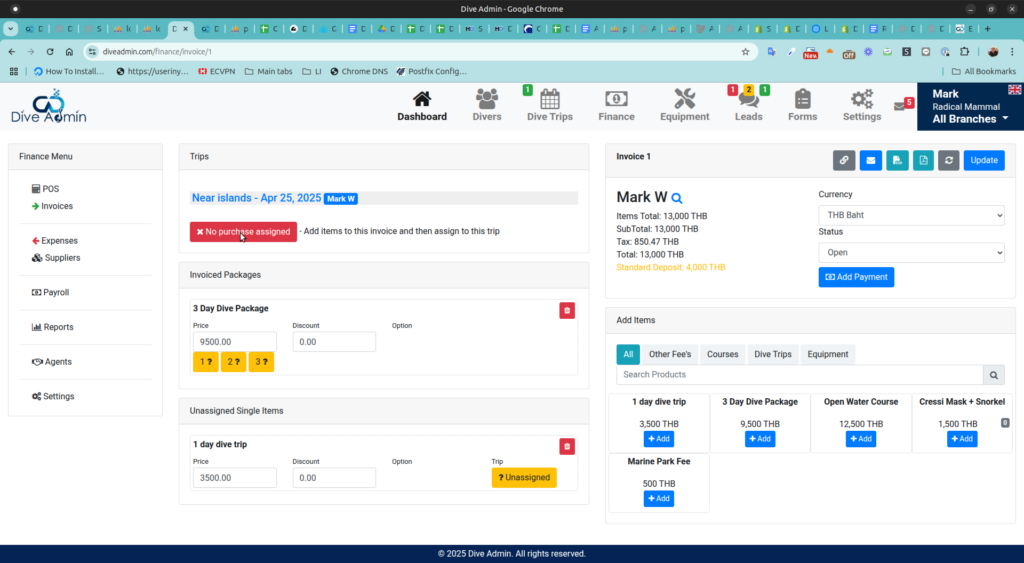
Would you trust a dive center with disorganized communication to manage your life support underwater? Modern students won't. They expect digital-first experiences. Using a dedicated platform like Dive Admin helps centers maintain student momentum through streamlined workflows. A stress-free administrative process proves to the student that they're in capable hands.
When Should Dive Centers Focus on Pre-Course Engagement?
Timing your engagement correctly maximizes retention. A cohesive strategy captures momentum during both peak and shoulder seasons.
The critical touchpoints occur immediately after an inquiry, at the exact moment of booking, one week before the course, and one day before the course. Six-week pre-season campaign windows are particularly effective for building momentum. Engaging students properly during this window locks in their commitment before life gets in the way.
Stop Losing Students Before They Start
Every student lost before Day One is preventable revenue. Small improvements in booking and communication compound significantly over a season.
Professional administration isn't just about efficiency. It directly impacts your retention rates. Audit your current student journey from first contact to the first pool session. Identifying these invisible friction points allows you to build a better, more resilient dive business.
FAQ
What percentage of dive students drop out before starting their course?
While exact industry-wide statistics vary, research indicates that more divers drop out annually than are being certified, according to the ScubaGuru 2026 Industry Status Report. A significant portion abandons courses during the pre-training phase. Many dive centers experience 30-40% no-shows or cancellations between booking and Day One, usually due to administrative friction or unresolved anxiety.
How quickly should a dive center respond to course inquiries?
Responding within one to four hours significantly increases conversion rates. Delays of 24 hours or more dramatically increase the likelihood of students choosing competitors with more responsive systems. Automated confirmation emails should trigger immediately, followed by personalized contact within the same business day.
What information do dive students need before their first day?
Students require five specific details to feel secure: exact location and arrival time, complete gear breakdown, total costs with zero hidden fees, physical expectations, and a clear outline of the first day's schedule. Providing this proactively kills anxiety.
Do automated emails really help with dive course retention?
Yes. Automated email sequences keep students engaged and, according to Dive Admin Industry Context 2026, can increase enrollment rates by up to 38%. Sending relevant, timely information builds confidence between booking and the course start. Welcome messages, instructor introductions, and day-before reminders are highly effective.
Why do beginners abandon dive courses they were initially excited about?
The enthusiasm gap hits when excitement meets logistical reality. Beginners drop out due to unresolved questions about costs, physical anxiety without reassurance, and complicated booking processes. Losing momentum during the silent period between booking and the start date is preventable with better communication systems.