What Do Experienced Divers Notice About A Well-Run Dive Center?
<b>TL;DR:</b> Experienced divers evaluate dive centers within minutes by watching check-in flow, staff composure, and visual organization. They look for accurate boat manifests, digital onboarding, and flexible scheduling as indicators of safety culture. Modern dive operators use management software to centralize operations, reduce administrative chaos, and let staff focus on delivering safe, personalized experiences.
Key Takeaways
- Pre-arrival digital paperwork significantly reduces front desk wait times and frustrated guests.
- Clear boat manifests directly reflect a shop's overall safety and operational maturity.
- Flexible instructor scheduling creates a premium and highly personalized guest experience.
- Software solutions eliminate administrative chaos without sacrificing personal interactions.
What does a well-run dive center look like to experienced divers?
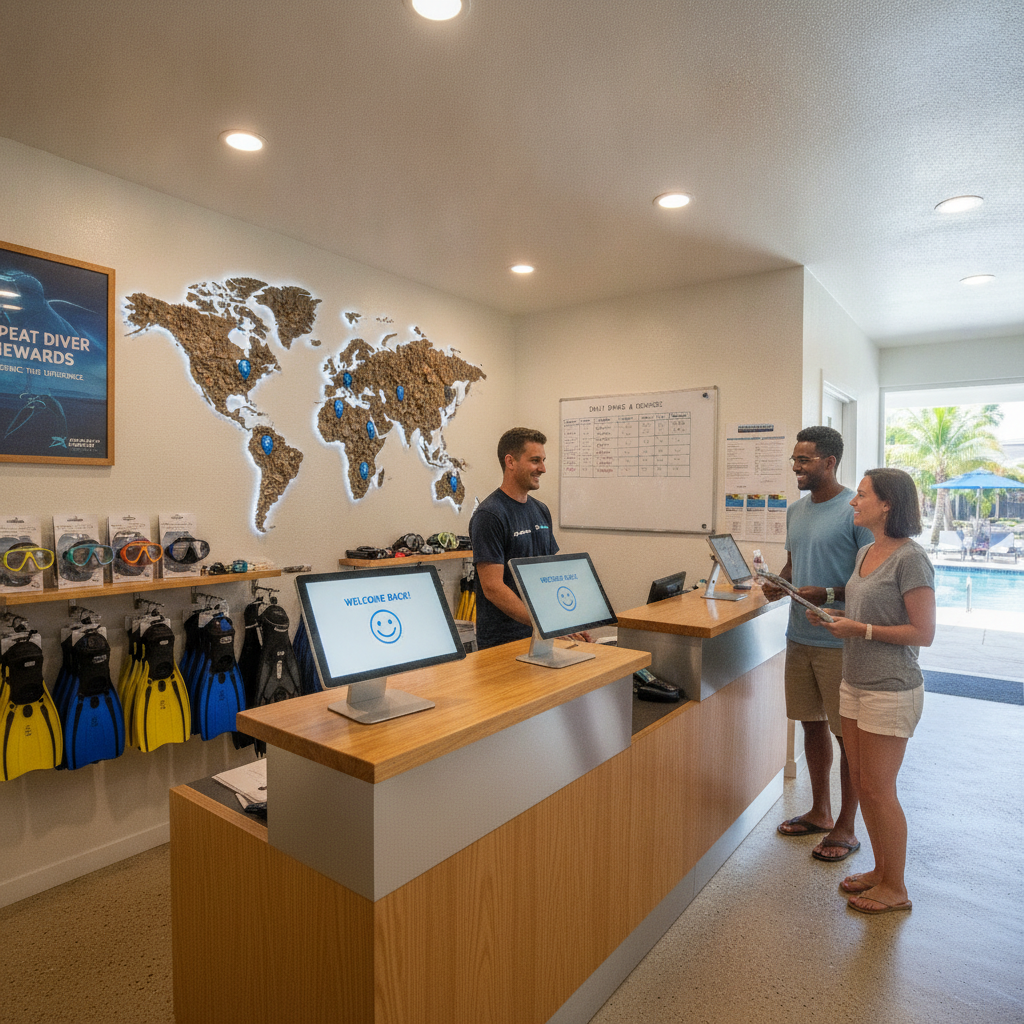
A well-run dive center presents an immediate sense of calm and visual organization. Experienced divers look past shiny retail displays to inspect how the shop actually functions on a busy morning. They notice neat gear storage, transparent pricing boards, and clean rinsing stations.
Visual organization serves as a proxy for operational discipline. If a shop maintains meticulous care of its rental regulators and BCDs, divers naturally assume that same rigor applies to underwater safety protocols.
Common mistake: Relying solely on aesthetic marketing while neglecting basic operational hygiene. Beautiful websites don't compensate for chaotic front desks or frantic staff members scrambling for equipment.
Why do repeat divers notice organization and flow immediately?
Divers are inherently safety-conscious. They subconsciously evaluate risk before they ever board a boat. They understand that scuba diving occurs in an unforgiving environment where small problems escalate quickly. When a dive shop exhibits smooth operational flow, it signals that the team has the bandwidth to handle emergencies.
Staff who appear calm and prepared indicate a well-controlled environment. Cluttered desks, missing paperwork, or rushed briefings point directly to disorganized safety protocols.
> "There is a major difference between having safety procedures and creating a safety culture. A safety culture becomes visible in small things. Are proper briefings given? Does someone know which divers are on which boat? Are divers counted before departure and after diving?"
> — Dive Management Team, SSI ITC Dive Resort Oceans 5 Blog
How does digital check-in improve the diver experience?
Repeat divers genuinely dislike filling out identical paper liability waivers and medical forms on every single vacation. Traditional paperwork creates bottlenecks at the reception desk and cuts into valuable holiday time. Digital pre-arrival onboarding solves this friction entirely by letting guests handle admin work from home.
Studies show that most travelers prefer online check-in options, which can reduce front desk wait times by 20 to 30 percent. Dive operators see the exact same benefits when implementing digital waivers and medical questionnaires.
<b>Paper vs. Digital Check-In Comparison</b>
| Feature | Traditional Paper Forms | Digital Pre-Arrival Onboarding |
| <b>Time Spent</b> | 10 to 15 minutes on site | 0 minutes on site |
| <b>Error Rate</b> | High risk of missing signatures | Required fields prevent omissions |
| <b>Storage</b> | Cluttered filing cabinets | Secure cloud database |
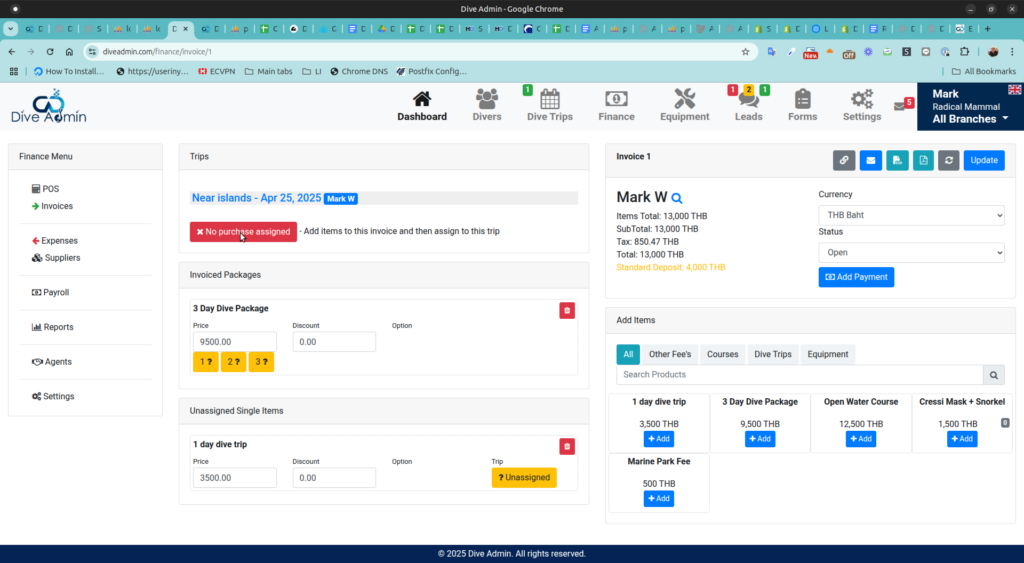
Software like Dive Admin allows guests to upload their certification cards and medical clearances weeks before arrival. This centralization keeps operations smooth and guests happy.
What do accurate boat lists signal about dive center operations?
Accurate boat manifests are a vital tell for operational quality and safety compliance. When crew members scramble to verify who is supposed to be on the boat, it reveals poor internal coordination. Experienced divers interpret this confusion as a massive red flag.
The World Recreational Scuba Training Council (WRSTC) outlines strict minimum standards for dive operations, and tracking participant limits is a core safety requirement. A correct manifest ensures proper staff-to-diver ratios and prevents dangerous overcrowding on the vessel.
Bottom line: Crew members must know exactly who is diving, what specific rental gear they need, and if they have special requirements. Dive center management software automatically syncs front-desk bookings to the boat manifest to eliminate human error entirely.
Why does flexible scheduling matter to experienced divers?
Repeat divers often arrive with highly specific preferences regarding dive sites, surface intervals, and daily dive counts. Rigid package schedules can feel impersonal and restrictive to someone who has logged hundreds of hours underwater. Customization instantly elevates a standard trip into a premium experience.
When to use this: Operators should offer flexible scheduling when catering to advanced divers or underwater photographers who need specific lighting conditions.
Matching an instructor's specific certifications or language skills to a guest's needs requires excellent staff coordination. Software platforms track instructor availability and specialty ratings to simplify this process. This prevents scheduling conflicts and keeps the staff from burning out during peak season.
How does dive center software create a polished guest experience?
Software brings together organization, efficiency, and flexibility to create the operational polish that experienced divers notice. Centralized operations eliminate the spreadsheet scramble that plagues many independent dive shops.
Research from Cornell University's Center for Hospitality Research (2023) found that a one-minute reduction in check-in time leads to a 1.3 percent increase in guest satisfaction. Technology handles the complex administrative burden in the background to achieve these time savings.
Features like automated booking confirmations and digital equipment service logs keep operations running smoothly. Platforms like Dive Admin handle these tasks so that staff can focus entirely on personal interactions and guest safety.
What equipment details do repeat divers pay attention to?
Experienced divers meticulously inspect rental BCDs, regulators, and tanks before they commit to a dive. They look for valid visual inspection stickers on cylinders and check rubber hoses for signs of wear. Rusted tank valves or frayed straps immediately damage a dive center's reputation.
Key takeaway: Transparent equipment maintenance logs are major confidence builders for visiting divers.
Digital equipment logs track service intervals automatically and alert technicians when gear requires maintenance. This keeps the operation compliant with manufacturer requirements and reassures guests that safety remains the top priority.
How do small operational touches add up to a premium experience?
A premium feel doesn't require luxury pricing. It stems entirely from efficient systems and thoughtful customer care. Remembering a returning guest's weight requirements or preferred wetsuit size makes a massive positive impact on their trip.
Here's how to do it:
- <b>Step 1:</b> Implement a centralized database that stores guest preferences and previous rental sizes.
- <b>Step 2:</b> Review these profiles during the morning briefing to anticipate guest needs.
- <b>Step 3:</b> Deliver personalized service without asking the guest to repeat their preferences.
Software enables this personalization at scale. When administrative friction disappears, the human touch takes center stage. Divers Alert Network (DAN) frequently emphasizes that hazard identification and risk assessment improve when staff aren't distracted by administrative chaos.
What's the bottom line for dive center operators?
Repeat divers represent the most valuable customer segment for any dive operation. They book longer trips, leave positive reviews, and refer their friends to shops they trust implicitly. Meeting their high expectations requires genuine operational excellence.
Investing in dive center software represents an investment in both guest satisfaction and staff sanity. Operators should view their own check-in flow through a diver's eyes to identify areas for improvement. Platforms like Dive Admin provide the necessary tools to streamline these critical details and earn long-term loyalty.
FAQ
What do experienced divers look for when choosing a dive center?
Experienced divers prioritize operational signs of professionalism and safety. They look for organized check-ins, accurate boat manifests, well-maintained equipment, flexible scheduling, and calm staff. They assess these factors before ever getting in the water, using them as proxies for overall safety culture.
How can dive centers reduce check-in time for repeat customers?
Digital pre-arrival systems allow returning divers to submit certifications and medical forms online before arrival. Dive center software stores guest profiles so repeat customers don't fill out the same paperwork multiple times. This creates a much faster and more professional first impression.
Why do dive boat manifests matter so much?
Accurate boat manifests ensure proper staff-to-diver ratios and prevent dangerous double-bookings. They allow crew members to prepare appropriate gear and safety equipment in advance. Modern dive center software syncs bookings automatically to eliminate manifest errors entirely.
What dive center software features matter most to guest experience?
The most impactful features include digital waiver collection, automated booking confirmations, and accurate boat manifest generation. Equipment service tracking and flexible staff scheduling also rank highly. These tools create seamless experiences without increasing the staff workload.
How do small operational details affect dive center reputation?
Small operational touches accumulate into an overall impression of professionalism. Organized gear storage, timely communications, and accurate boat lists show that a shop cares deeply about safety. Experienced divers share recommendations widely, meaning these details directly drive repeat business and positive reviews.