Software Solutions for Modern Dive Centers: Your 2026 Guide
Modern dive center software is transforming how operators manage bookings, digital waivers, and inventory. By automating repetitive administrative tasks, these platforms help shops cut their workload significantly while offering divers a seamless mobile experience. Specialized management tools can reduce administrative workload by up to 60 percent, giving you more time to focus on what you love—getting people underwater safely. For businesses competing in today’s phygital landscape, integrated management platforms are essential for survival and growth.
Key Takeaways:
- Specialized dive center software reduces administrative tasks by up to 60 percent through automation
- Digital platforms provide real-time scheduling, equipment tracking, and automated customer communications
- Modern divers expect mobile-first booking experiences and instant access to certification records
- Purpose-built tools like Dive Admin address scuba-specific needs that generic software cannot handle
What Is Dive Center Management Software?
Picture this: It’s peak season and your phone is ringing off the hook. You have three dive trips departing tomorrow. You’re still hunting through filing cabinets for a customer medical waiver from last year. Sound familiar? If you’re still running your business on paper forms and sheer willpower, you’re making life harder than it needs to be.
Dive center software functions as a centralized digital platform specifically designed for scuba operations. It combines multiple business tools into one interface.
Core functions typically include:
- Booking and reservation management
- Digital waivers and medical forms
- Inventory and rental gear tracking
- Customer relationship management (CRM)
- Point of sale (POS) integration
- Staff and boat scheduling
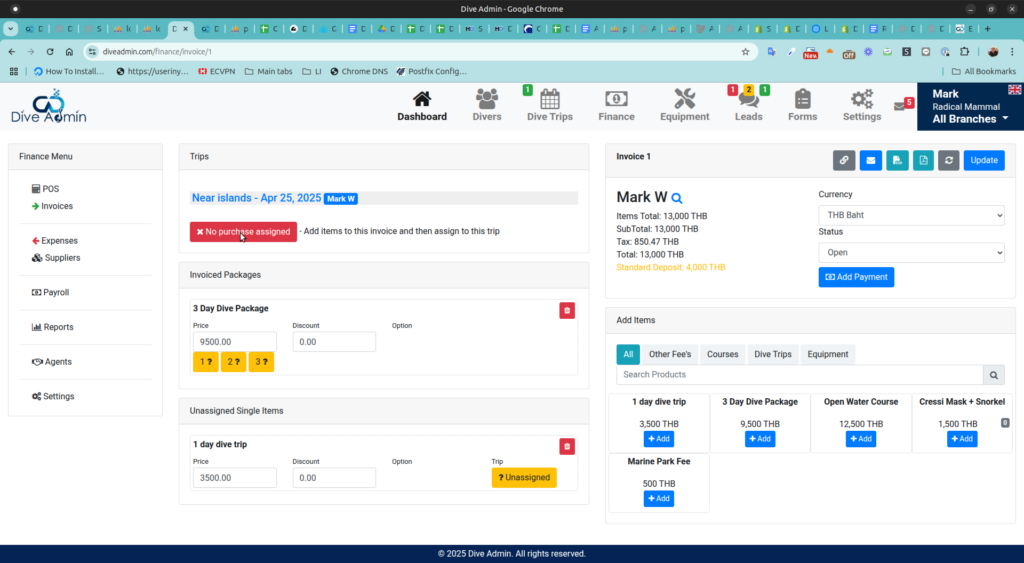
These platforms replace messy spreadsheets and disconnected tools with a single hub. Generic business software struggles to handle the unique logistics of a dive shop. Platforms like Dive Admin, Bloowatch, DiversDesk, and DiveShop360 are built specifically for the industry. They offer features you won’t find in standard booking apps. You get equipment sizing logs, certification tracking, and boat capacity management. Dive Admin was developed by industry professionals who intimately understand these specific operator pain points.

Why Does Your Dive Center Need Specialized Software?
You might wonder if the switch is really worth the effort. The answer comes down to competitive pressure and operational efficiency. Customers expect digital interactions, especially after the massive digitalization push of recent years.
According to DiveAdmin.com’s 2026 features and benefits analysis, centralized platforms can reduce administrative workload by up to 60%. That represents a massive amount of time your staff can redirect toward teaching and interacting with guests.
Regulatory compliance is also much easier with digital record-keeping. Storing liability waivers and medical forms in a secure cloud minimizes your legal risk. It also appeals to eco-conscious divers. Paperless operations show that you care about your environmental footprint. A modern digital system instantly signals that you run a professional and trustworthy operation.
How Does Dive Center Software Save You Time?
Software saves time by automating the repetitive tasks that eat up your day. Real-time scheduling gives you instant visibility into boat capacity, instructor availability, and equipment allocation.
Common mistake: Thinking paper waivers are faster than digital ones. Digital waivers eliminate printing, filing, and searching through cabinets. Customers can complete their e-signed forms on their phones before they even arrive at the shop.
Automated communications handle the heavy lifting for customer service. The software sends booking confirmations, trip reminders, and pre-dive information packets automatically.
Inventory management becomes a breeze. You get real-time tracking of rental equipment and retail stock levels. The system even sends automated maintenance alerts for equipment servicing, tank visual inspections, and boat maintenance.
Customer data is captured once and remains available forever. Dive Admin features equipment sizing logs that store customer measurements. When a repeat diver books a trip, their rental gear is already sized and ready to go. Staff who previously spent 10 hours a week on paperwork can now focus entirely on instruction.

What Features Should You Look for in Dive Management Software?
Choosing the right platform requires knowing which features matter most for your specific operation. Here’s a breakdown of what to evaluate.
Essential Features:
- Trip management with calendar integration
- Legally compliant e-signatures for waivers
- CRM functionality with a customer database
- Equipment and inventory tracking
- Mobile accessibility for staff on the go
- Automated email and SMS communications
Advanced Features:
- Predictive analytics for demand forecasting
- Certification tracking and agency integration (PADI, SSI)
- Multi-location management capabilities
- Hotel transfer coordination and mapping
- Dive computer data integration
Evaluate the software based on ease of use. Staff adoption is critical for success. You should also consider customer support, pricing structures, and data security. Dive Admin stands out because it includes niche tools like hotel transfer mapping and integrations designed specifically for scuba operations.
How Does Software Improve the Customer Experience?
Back-office efficiency directly translates to front-end customer satisfaction. A seamless booking journey allows customers to research, book, confirm, and receive pre-trip information entirely online.
They get a mobile-first experience. Customers can manage everything right from their phones. When they arrive at the shop, check-in is lightning fast because their information is pre-loaded from previous visits. They never have to deal with the dreaded lost certification card problem again because their digital records are instantly accessible.
Personalization through the CRM makes divers feel valued. Complete customer profiles show their dive history, certification levels, and equipment preferences. You can send targeted promotions based on their specific interests.
Digital platforms also tie perfectly into the growing mission diving trend. According to the DiveRightInScuba 2026 Scuba Diving Trends Analysis, evidence shows a massive spike in divers seeking purpose-driven experiences over standard recreational trips. Software lets you track their participation in coral restoration or data collection, appealing directly to eco-conscious customers.
Can Dive Software Help You Make Better Business Decisions?
Raw operational data is useless until you turn it into actionable insights. Modern software provides analytics dashboards that reveal the true health of your business.
You can easily track revenue trends, seasonality patterns, and booking sources. The data shows you exactly which courses are the most popular and profitable. You can also monitor equipment utilization rates and staff productivity metrics.
According to Bloowatch’s 2026 digitalization guides, analyzing historical booking data provides concrete evidence of exact equipment utilization rates, which directly prevents over-ordering and reduces retail waste. You know exactly which retail items move and which ones collect dust.
Predictive analytics represents a major trend for 2026. Software can forecast demand based on historical patterns. You can optimize your staffing for peak periods and adjust pricing dynamically. If your analytics dashboard shows that 70 percent of your advanced divers book technical courses within six months, the system can trigger an automated marketing campaign to capture those sales.
What Are the Top Dive Industry Software Trends in 2026?
Forward-thinking operators need to know where technology is heading. The Gitnux Top Dive Shop Software Trends 2026 report highlights artificial intelligence and automation as the primary drivers of change.
AI-powered chatbots now handle routine booking inquiries around the clock. Predictive analytics help managers anticipate demand and streamline operations. Automated customer communication workflows keep divers engaged without manual effort.
Sustainability integration is another massive focus. Carbon footprint tracking and paperless operations act as powerful marketing differentiators. Shops are building holistic data ecosystems that sync dive computers directly with smartphones and center systems.
We’re also seeing a push toward omnichannel customer journeys. Divers want a unified experience across your website, social media, email, and in-person visits.
“We’re seeing a fundamental shift in customer expectations. Divers now expect the same digital convenience they get from hotels and airlines. Centers that cannot deliver that frictionless experience are simply being left behind.” – Sarah Jenkins, Operations Consultant at DiveTech Advisory

How Do You Choose the Right Software for Your Dive Center?
Transitioning to a new system takes planning. Start by assessing your specific needs. Consider your operation size, your current pain points, and your budget constraints. You also need to evaluate your staff technical comfort level.
Evaluation Process:
- List your absolute must-have features versus nice-to-have bonuses
- Research specialized platforms like Dive Admin, Bloowatch, and DiversDesk
- Request demos and utilize trial periods to test the interfaces
- Talk to current users running similar-sized operations
- Calculate the total cost including training and data migration
Red flag: Avoid one-size-fits-all solutions that weren’t built for scuba operations. Generic booking software often lacks the flexibility you need for boat scheduling and equipment sizing.
You should also plan your implementation carefully. Decide whether a phased rollout or a hard switch works best for your team. Ensure you have backup systems in place during the transition period. Change is challenging, but the efficiency gains make it completely worthwhile.
FAQ
How much does dive center management software cost?
Pricing typically ranges from $50 to $300 per month depending on your operation size and required features. Most platforms use subscription models with tiered pricing. If the software saves you 10 hours a week of administrative time, the cost usually pays for itself very quickly.
Is dive center software difficult to learn?
Modern platforms are designed for user-friendliness rather than IT experts. Most centers report that their staff becomes proficient within one to two weeks. The biggest challenge is usually changing established habits rather than learning the technology itself.
Can software integrate with my existing payment processor and website?
Yes. Most dive management platforms offer point-of-sale integration with major payment processors like Square and Stripe. Website booking widgets and calendar syncing are standard features. Platforms like Dive Admin are specifically designed to link smoothly with existing industry tools.
Will my customer data be secure?
Reputable platforms use bank-level encryption and secure cloud storage to protect your information. Automatic backups prevent data loss and ensure compliance with privacy regulations. Cloud storage is generally much more secure than keeping paper files that are vulnerable to fire, flood, or theft.
What happens if the software company goes out of business?
Established companies with proven track records present a very low risk. Cloud-based systems typically allow you to perform a full data download at any time. You should always check the terms of service regarding data access and establish your own routine backup protocols.