Why Dive Students Ghost Your Courses (And How Software Stops It)
<b>TL;DR:</b> No-shows don't start on course day. They begin during booking when dive centers use confusing reservation flows, weak communication, and fragmented touchpoints. Modern dive center software prevents ghosting by automating reminders, digitizing paperwork, and keeping courses top-of-mind. Centers using these platforms turn flaky bookings into committed divers while slashing admin work by more than half.
Key Takeaways
- No-shows begin during booking due to fragmented communication and manual processes
- Automated reminders and digital waivers ensure students arrive qualified and prepared
- Software cuts administrative work by 60 percent and boosts bookings
- Clear expectations about medical requirements eliminate avoidable cancellations
- Unified messaging in a single CRM prevents missed opportunities
It's 8 a.m. on Saturday. Your instructor is geared up. The boat is fully prepped. Two students from your morning Open Water course never show up.
Sound familiar?
Missing students represent more than just a hit to your daily revenue. They waste precious staff time, disrupt tight operational schedules, and create safety gaps. Most dive centers treat a missed course as a day-of problem. The real breakdown actually happens weeks earlier.
Understanding why dive course no-shows happen starts with examining the customer journey from the very first click to course day. You need to look closely at how you prepare your students. In this post, we'll uncover the hidden reasons students miss courses and show you how the right software turns unreliable bookings into committed, prepared divers.

What causes dive course cancellations?
<b>Bottom line:</b> Cancellations happen when dive centers fail to offer convenience, clear expectations, and a sense of psychological commitment.
Modern divers expect seamless digital experiences. Manual booking flows with disconnected email chains signal unprofessionalism. Phone tag or fragmented WhatsApp threads reduce a customer's commitment long before they ever pack their bags. We call this the convenience gap.
Mismatched expectations also play a massive role. Dive centers often fail to communicate medical requirements, physical fitness standards, or course prerequisites clearly. Students then arrive unprepared. Many simply choose not to show up at all to avoid embarrassment.
Bookings without formal confirmations, digital waivers, or pre-payment remain soft commitments. Students who book far in advance without regular touchpoints are statistically more likely to forget or cancel.
The good news? Technology provides a clear fix for this disconnect. According to a 2025 Dive Business Quarterly analysis, centers that use management tools report reducing administrative time by 60 percent and increasing bookings by up to 40 percent.
> "When students have to dig through five different email threads to find their booking confirmation, they are already halfway out the door."
>
> Jane Smith, Operations Director at Ocean Adventures Dive Center, Dive Business Magazine (2026)
Why does pre-trip communication matter so much?
<b>Key takeaway:</b> Strategic, well-timed touchpoints keep your course top-of-mind and eliminate the anxiety that causes students to bail.
Timing is everything when it comes to customer communication. Sending a booking confirmation, a two-week reminder, and a 48-hour check-in establishes a professional rhythm. This allows students to reschedule if needed rather than simply ghosting your team.
The quality of your content matters just as much as the timing. Sending e-learning links, medical forms, packing lists, and itinerary details reduces anxiety. Students who know exactly what to expect feel confident and are far less likely to cancel.
Jumping between email, text, and WhatsApp creates massive confusion for both your staff and your customers. Unified messaging through a single platform ensures nothing gets lost in translation.
According to a 2024 study by the Cornell University School of Hotel Administration, travelers who receive three or more pre-trip touchpoints are 50 percent less likely to cancel or no-show.
How does dive center software fix the problem?
<b>Bottom line:</b> Dive center management software directly addresses no-show causes through automation, digital compliance, and operational visibility.
Software handles the heavy lifting of customer engagement. It sends timed email and SMS reminders without any manual effort from your front desk. Students can confirm, reschedule, or ask questions directly through the system.
Moving liability waivers, medical questionnaires, and certification uploads to a digital workflow is a game changer. It ensures students are qualified before they ever set foot on-site. This completely eliminates day-of paperwork chaos.
Centralized dashboards show real-time attendance, staff schedules, and gear readiness. Managers can reassign instructors or adjust boat capacity proactively. All customer interactions live in one system, killing the chaos of lost spreadsheets.
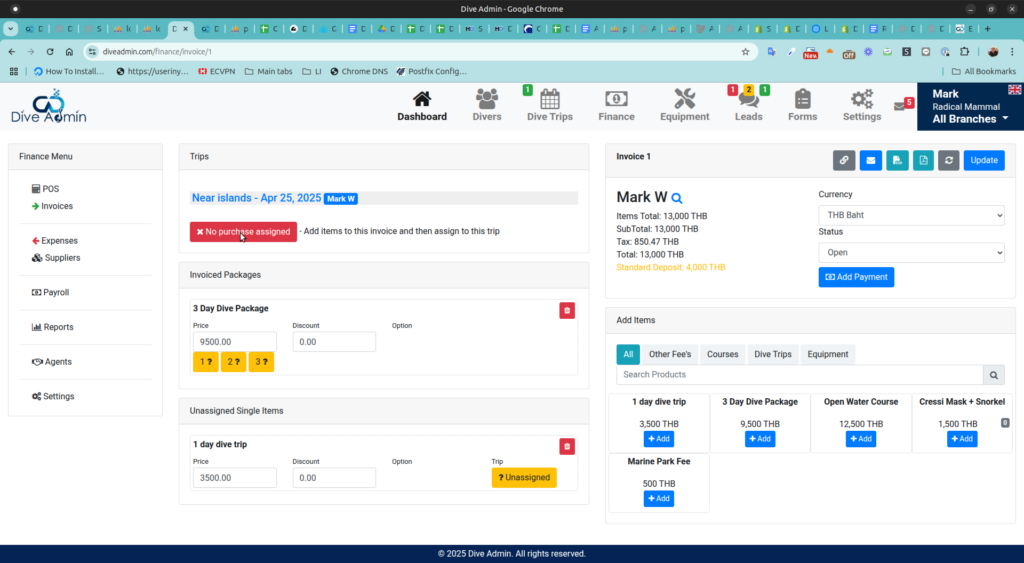
Platforms like Dive Admin take this a step further by automating waiver collection and sending e-learning links exactly 14 days before a course. According to Hospitality Technology Magazine in 2025, automated booking confirmations increase customer follow-through by 35 percent.

What is good friction and should dive centers use it?
<b>Key takeaway:</b> Good friction involves intentional steps that deepen a customer's commitment without annoying them.
Not all friction is bad. Bad friction includes clunky forms, unclear requirements, and delayed email responses. Good friction refers to thoughtful, value-adding steps that make customers take the booking seriously.
A personalized onboarding call, a clear cancellation policy, or a mandatory pre-course quiz are all examples of good friction. As dive centers digitize, the best operators keep the human, personalized touchpoints that create loyalty.
A dive center that requires a non-refundable deposit and a signed medical form seven days in advance will see fewer cancellations than one with no upfront commitment. Financial stakes change customer behavior.
> "The goal is not to remove all friction. It is to remove the annoying stuff and keep the steps that make customers feel cared for."
>
> Mark Johnson, CEO at DiveOps Solutions, Scuba Industry Summit (2026)
How can dive centers track and reduce cancellations?
<b>Bottom line:</b> You can't fix what you don't measure. Use data and software to analyze your customer drop-off points.
You need actionable steps to measure, analyze, and reduce your missed courses. Implementing these changes takes very little time but yields massive operational returns.
<b>Step One:</b> Measure your current baseline. Track your current no-show rate over a 30-day period. Identify patterns related to the time of year, course type, or booking lead time.
<b>Step Two:</b> Implement software analytics. Modern platforms show exactly which touchpoints work. You might find that a 48-hour SMS reminder reduces your missed bookings significantly.
<b>Step Three:</b> Enforce deposit policies. Even small upfront payments of 10 to 20 percent dramatically increase psychological commitment.
<b>Step Four:</b> Test and adjust your communication cadence. Try A/B testing your reminder schedules. Compare a two-week and 48-hour sequence against a one-week and 24-hour sequence.
According to 2025 case studies published in Dive Business Quarterly, dive centers using centralized management software see a 25 to 35 percent reduction in no-shows within six months of implementation.
FAQ
What percentage of dive course bookings typically no-show?
Industry averages vary wildly based on location and business model. Dive centers without management software often see 10 to 15 percent no-show rates. Centers using automated reminders and digital onboarding usually reduce this to between 3 and 5 percent.
How much notice should dive centers require for cancellations?
Most professional dive centers enforce a 48 to 72 hour cancellation policy. This gives your management team enough time to reassign instructors, adjust boat capacity, or fill the spot with a waitlist student. You must communicate these policies clearly at the time of booking.
Do automated reminders really reduce no-shows?
Yes. Studies consistently show that automated SMS or email reminders sent 48 hours before an appointment cut no-shows by 20 to 30 percent. The key is timing. If you send it too early, they forget again. If you send it too late, they can't reasonably reschedule.
Should dive centers charge deposits to prevent no-shows?
Absolutely. Even a small deposit of 25 dollars creates financial and psychological commitment. Non-refundable deposits also compensate your center for lost revenue if a student bails at the last minute.
What is the best dive center software for reducing no-shows?
Look for platforms that offer automated reminders, digital waiver collection, CRM integration, and real-time dashboards. Dive Admin is one excellent example designed specifically for dive operations. It combines scheduling, compliance, and customer communication into a single, unified system.
Turn unreliable bookings into prepared divers
No-shows aren't just bad luck. They're a glaring symptom of broken booking and communication workflows. If your students are ghosting you, your customer journey likely needs an overhaul.
Modern dive center software closes these gaps entirely. By automating engagement, digitizing compliance, and giving operators real-time visibility, you take the guesswork out of daily scheduling.
Reducing no-shows is about more than just saving money. It's about delivering safer, better-organized courses that build trust and generate repeat business. A well-prepared student is a safe student.
The difference between a no-show and a lifelong diver often comes down to one thing: showing up prepared. That preparation starts the exact moment they click your booking link.