Why Your Dive Center Should Go Green (And How to Actually Do It)
Picture this. It is peak season, and your desk is buried under waiver forms. Your printer just jammed for the third time today. A line of divers is waiting to check in, tapping their fins. Meanwhile, you are wondering when you will actually have time to focus on protecting the reefs you love.
Dive centers exist to share the incredible beauty of the ocean. Yet daily operations can inadvertently harm the environment. Paper waste, inefficient systems, and administrative chaos distract from your real conservation goals.
The good news? Creating a sustainable dive center starts with smart, simple changes. Sustainability equals efficiency, and that ultimately means better business for you.
Why Going Digital Is Your First Step to Sustainability
Let's look at the actual footprint of a traditional dive shop. The average dive center uses thousands of sheets of paper annually. You print waivers, dive logs, booking confirmations, and certification forms. Printing supplies, ink cartridges, and physical storage space create huge waste. They also drain your bank account.
Filing cabinets full of documents take up premium floor space that you could use for retail. All of that information could easily live in the cloud.
The Paper Problem in Dive Operations
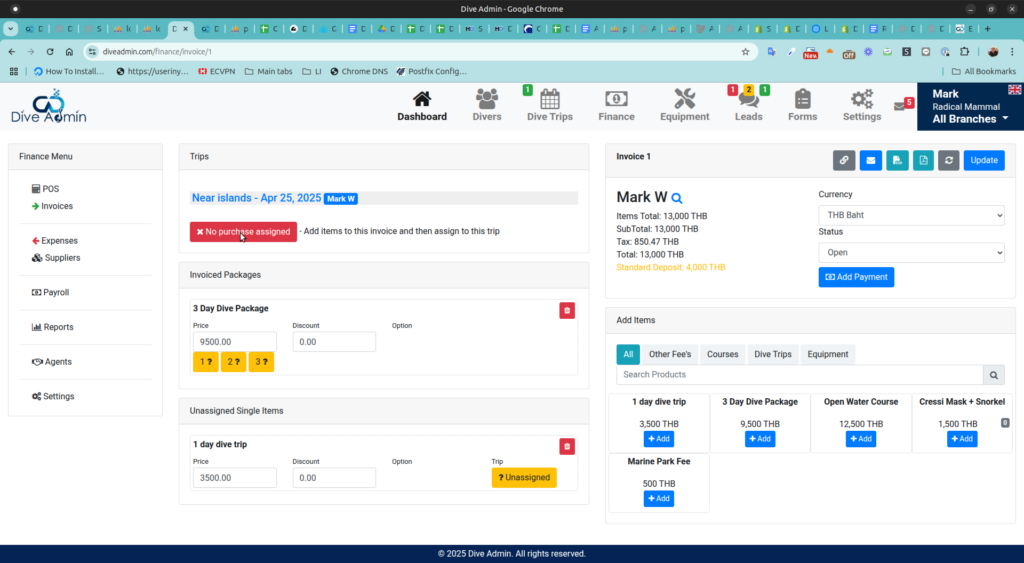
Digital waivers and bookings eliminate paper instantly. Cloud-based record-keeping makes your data accessible from anywhere. With platforms like Dive Admin, your entire check-in process becomes completely paperless.
Divers sign their waivers on tablets in the lobby. Bookings sync automatically across your system. You can even access customer records from your phone while standing on the boat. Lower admin time means you have more time for conservation activities and quality guest experiences.
How Digital Management Changes Everything
Going digital creates a massive ripple effect across your business. You reduce the shipping and delivery carbon footprint of all those paper supplies. You need less physical storage space. Best of all, your staff can focus on diver education instead of mindless filing.
The environmental impact adds up quickly. According to research, the paper industry is the third largest industrial greenhouse gas emitter. Every ream of paper your dive center eliminates matters.

Operations That Make Your Sustainable Dive Center Shine
Beyond digital upgrades, physical operational changes reduce your environmental footprint. They also improve your efficiency.
Energy Efficiency Upgrades
Start by switching to energy-efficient air compressors. These machines are often the major energy users in dive operations. Newer models can reduce energy consumption by up to 30% compared to older units.
Use passive cooling and ventilation in your facility design to cut down on air conditioning. Add solar panels or renewable energy sources to power your shop. The real benefit here is lower utility bills combined with a massive environmental win.
Many dive centers in tropical locations have successfully transitioned to solar power. The Coral Triangle region has seen several operations cut their energy costs by 60% after installing solar systems.
Rethinking Your Fleet
Traditional dive boats produce significant carbon emissions. Emerging options like hybrid engines and electric boats are gaining real traction in the industry.
Are these upgrades expensive upfront? Yes, it is a gradual transition for most businesses. Meanwhile, you can maintain your engines properly for maximum fuel efficiency. Combine trips whenever possible to cut down on fuel use and boat traffic on the fragile reefs.
Some innovative dive centers in the Netherlands and Scandinavia have already adopted fully electric boats. While the technology is still developing for larger vessels, smaller dive boats can make the switch today.
Water Conservation Measures
Water conservation is another huge factor. Install low-flow fixtures in your bathrooms and gear-washing areas. Set up rainwater harvesting systems specifically for rinsing equipment.
It requires a simple mindset shift. Treat freshwater like the precious resource it is. A typical dive center can use hundreds of gallons per day just rinsing equipment. Low-flow systems can cut that usage in half.
Plastic-Free Operations
Eliminate single-use plastics like water bottles, plastic bags, and straws from your entire operation. Install refillable water stations for your guests. Provide incentives for divers who bring their own reusable items.
Stock your retail section with reef-safe sunscreen that is completely free of oxybenzone and octinoxate. Studies published in the Archives of Environmental Contamination and Toxicology found these chemicals contribute to coral bleaching even at low concentrations.
Feature eco-conscious gear brands in your shop to show your true commitment. Brands like Fourth Element and Patagonia offer sustainable dive gear options.
Where Sustainability Meets Diver Education Underwater
Your impact happens below the surface just as much as above it.
Buoyancy is Everything
Poor buoyancy causes damaged coral, stirred sediment, and stressed marine life. Research from the Journal of Sustainable Tourism found that divers with poor buoyancy control contact the reef an average of 20 times per dive.
Make buoyancy checks mandatory before heading to advanced sites. Offer refresher courses regularly for rusty divers. Position it positively to your guests. Better buoyancy leads to a much better diving experience, longer bottom times, and better underwater photos.
The Pre-Dive Briefing Revolution
Use your pre-dive briefings to educate divers about proper reef etiquette. Enforce strict policies against touching or collecting anything from the ocean. Teach divers to recognize sensitive species and fragile areas.
Offer gear management tips like securing gauges and avoiding bottom contact with fins. A comprehensive briefing takes just five extra minutes but can prevent hours of reef damage.
Turn Divers into Ocean Advocates
Launch citizen science programs like reef surveys and fish counts. Organize regular cleanup dives such as the PADI Dive Against Debris program. Adopt local dive sites for regular monitoring.
Share your conservation stories and cleanup hauls on social media. You will create memorable experiences that guests actively want to tell others about. The Dive Against Debris program has removed over 2 million pieces of marine debris globally since 2011.

The Business Case for Sustainable Dive Centers
Sustainability is not just ethical. It is highly profitable.
Meeting Market Demand
Modern travelers actively seek out eco-certified operators. Green Fins and PADI Eco Center certifications serve as powerful marketing differentiators.
Millennials and Gen Z prioritize sustainability when booking their travel and spending their money. A 2020 study by Booking.com found that 83% of global travelers think sustainable travel is vital. The eco-tourism market is growing rapidly, and you want to capture that audience.
Eco-certified dive centers often charge premium rates. Guests willingly pay 10-20% more for operators with verified sustainability credentials.
Regenerative Tourism and Premium Experiences
Go beyond simply doing no harm. Focus on actively restoring ecosystems through regenerative tourism.
Coral nursery projects that guests can participate in are incredibly popular right now. These meaningful experiences command higher prices. They build deep brand loyalty and bring in repeat customers year after year.
Several dive centers in the Caribbean and Indo-Pacific now offer coral restoration dives. Guests pay premium rates to help plant coral fragments and monitor restoration sites.
Efficiency is Profitability
Use data-driven insight and reporting tools to identify environmental and financial waste. Dive Admin analytics show you exactly where your resources go. This helps you spot inefficiencies you can fix immediately.
Reduced waste directly equals reduced costs. The time you save on administrative tasks lets your staff focus entirely on service quality. You also see lower turnover when your staff feel proud of your sustainable mission.
Studies show that employees at companies with strong sustainability programs report 27% higher job satisfaction.
Your Roadmap to Starting Your Sustainable Journey Today
You do not need to do everything at once. Start small and build momentum.
Quick Wins for This Week
Go digital with waivers and bookings today. Eliminate single-use plastics from your shop this week. Update your dive briefings with strong conservation messages.
Start a social media campaign showcasing your new eco-friendly efforts. Document your changes with photos and data. Share these milestones with your customers.
Medium-Term Goals for This Quarter
Pursue your first eco-certification this quarter. Green Fins certification is free and provides excellent framework for sustainable operations.
Implement water and energy conservation measures around the shop. Launch your first cleanup dive or citizen science project. Partner with local conservation organizations to maximize your impact.
Long-Term Vision for This Year
Evaluate fleet upgrades over the next year. Develop regenerative tourism offerings for your guests. Build a comprehensive waste management system for your entire facility.
Train all your staff as vocal conservation advocates. Use your management software to measure resource reduction over time. Celebrate every single win with your team.
Making the Change That Matters
Creating a sustainable dive center is not about perfection. It is about steady progress.
Every single change matters, from going paperless to protecting fragile reefs. The oceans need advocates who walk the talk. Your business benefits through efficiency, differentiation, and customer loyalty.
The best time to start was yesterday. The second best time is today.
Ready to make the switch to digital operations? Discover how Dive Admin can help you build a more sustainable and efficient dive center right now.